

Early aviation in Birmingham began with the founding of the Birmingham Aero club in 1909. In 1911, the organisation moved to a field on Billesley Farm, not far from the city. One of the first members of the Birmingham Aero club was a certain Edwin Prosser, who lived on St Agnes Street in Mosley, a southern suburb of Birmingham.
The young man was not only one of the first members, he was also one of the first to obtain a pilot’s licence in 1913. He was 17 years old at the time. Edwin was at the forefront of Birmingham’s aviation history and participated in air shows at the aerodrome. For more details on how local aviation began and how it was affected by the two world wars of the 20th century, follow the link: birmingham1.one.
The beginnings of aviation in Birmingham
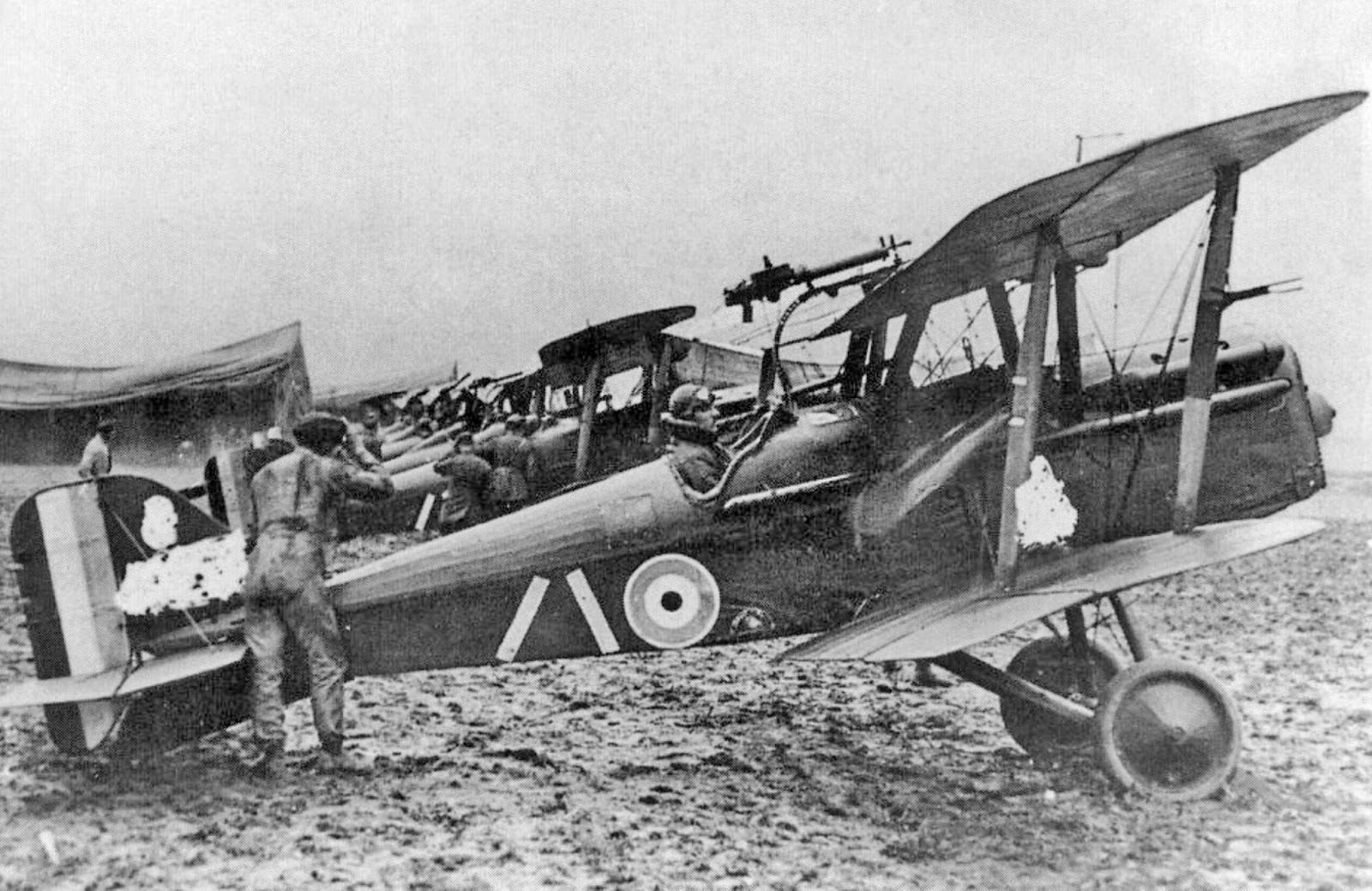
Incidentally, regular use of this airfield began with the Midland Flying School basing there in 1915, and in 1916 it was designated as a landing site for the defence of the interior territory of the 38th Squadron, but the military never used it. All this happened after the start of the First World War.
However, the history of aviation in Birmingham began earlier, at the very beginning of the 20th century, at a time when flying was still experimental and a manifestation of individual courage. Among the local aviation pioneers was a certain Alfred P. Maxfield, an engineer and amateur inventor. He was fascinated by new aviation technologies.
In 1909, Maxfield designed his own aircraft and made one of the first test flights in a motorised plane in the Birmingham area, in Castle Bromwich. Although these attempts were modest in scale and duration, they symbolically marked the city’s entry into the era of aviation.
Maxfield was not a major industrialist, but he epitomised a generation of pioneers who were experimenting with simple materials, lightweight engines and homemade designs across Europe. His work helped to spark interest in aviation among the local public and clearly demonstrated that Birmingham, already known for its industrial genius, could also create something related to aviation technology.
Soon, Birmingham attracted the attention of well-known travelling pilots in England. In 1911, Bentfield S. Hux, a British aviator famous for his demonstration flights, flew to the large industrial centre in his Blériot monoplane. Hux was one of the popular figures in the nascent aviation industry in Great Britain, which, based on his biography, was not too surprising.
After all, he was a former officer who became a pilot. At the same time, Hacks travelled around the country to demonstrate the possibilities of motorised flight to the general public. His visits to Birmingham helped to increase local enthusiasm for aviation.
The first aerodrome
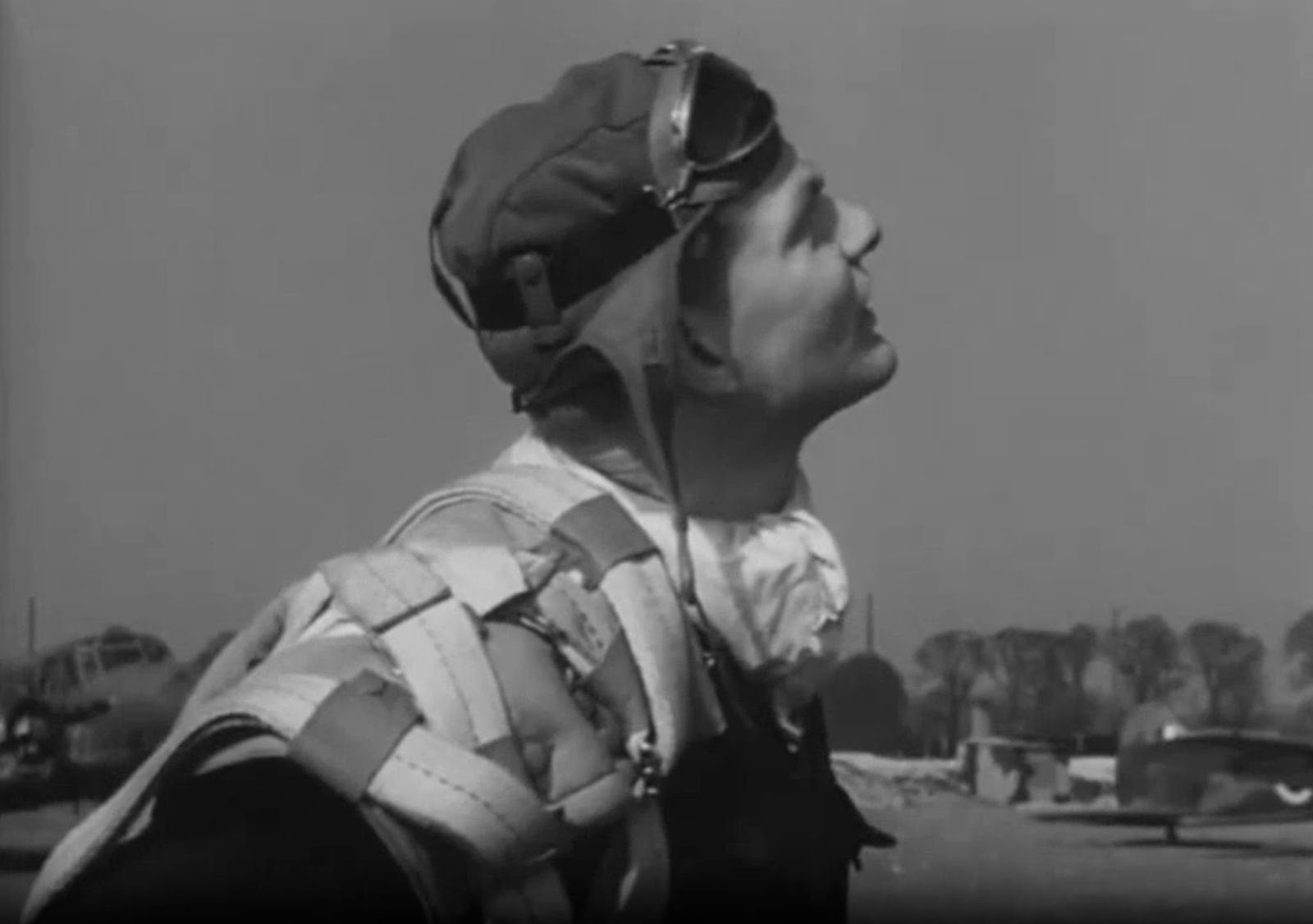
Given this growing interest, it quickly became apparent that the city needed the appropriate infrastructure. Thus, in the years leading up to the First World War, Castle Bromwich Aerodrome was built. Initially conceived as a civilian aerodrome, it soon became a strategic facility.
Located northeast of the city centre, Castle Bromwich had large flat areas ideal for the take-off and landing of early aeroplanes. Initially, the airfield was used for demonstration flights and training, but was then radically transformed, despite the outbreak of the First World War.
The outbreak of World War I in 1914 radically changed the role of aviation in Birmingham. From an amateur hobby for enthusiasts, local aviation became, so to speak, combat-ready. Castle Bromwich Aerodrome was requisitioned by the army and incorporated into the British military forces. It became a pilot training centre and an important logistics hub for the Royal Flying Corps, and after its creation in 1918, for the Royal Air Force.
In addition, the war significantly accelerated the development of aviation technology. In Birmingham and throughout the Midlands region, workshops and factories began manufacturing aircraft parts, engines and various other mechanical components. This period laid the foundations for a genuine local aviation culture, combining industrial know-how and the training of specialised personnel.
It was at this time that several famous aviators appeared in Birmingham, including Egbert “Bertie” Cadbury, a fighter pilot from a well-known industrial family in the city, who distinguished himself with his successful actions against German airships.
Castle Bromwich Aircraft Factory
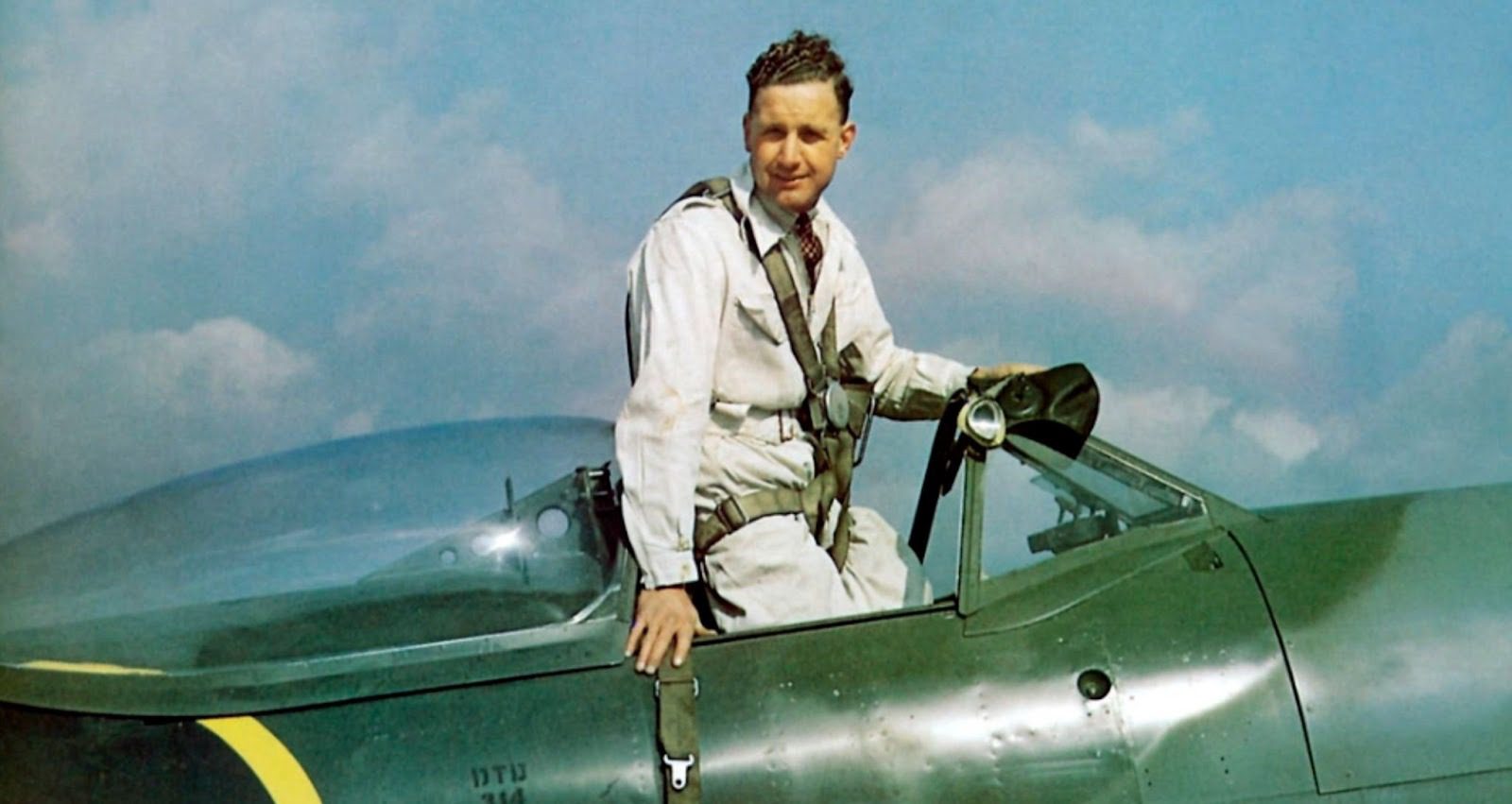
However, Birmingham’s true aviation glory came during the Second World War. The Castle Bromwich aircraft factory, one of the largest aircraft factories in Great Britain, was built next to the airfield. Its main task was to produce the Supermarine Spitfire, the famous fighter plane of the Royal Air Force.
Thousands of workers, both men and women, worked there day and night. A significant proportion of all Spitfire aircraft ever built came from this factory, making Birmingham an important pillar of British defence, especially during the Battle of Britain and the infamous Operation Blitz.
Due to its strategic importance, the industrial complex became a target for German bombing. Although damage sometimes disrupted production, the factory continued to operate, often under difficult conditions. This industrial resilience remains a central element of the local memory of the war.
After assembly, the aircraft were tested directly on the adjacent runways, closely linking production and operation. This synergy between industry and operational aviation illustrates perfectly Birmingham’s contribution to the Allied war effort.
Post-war and modern aviation
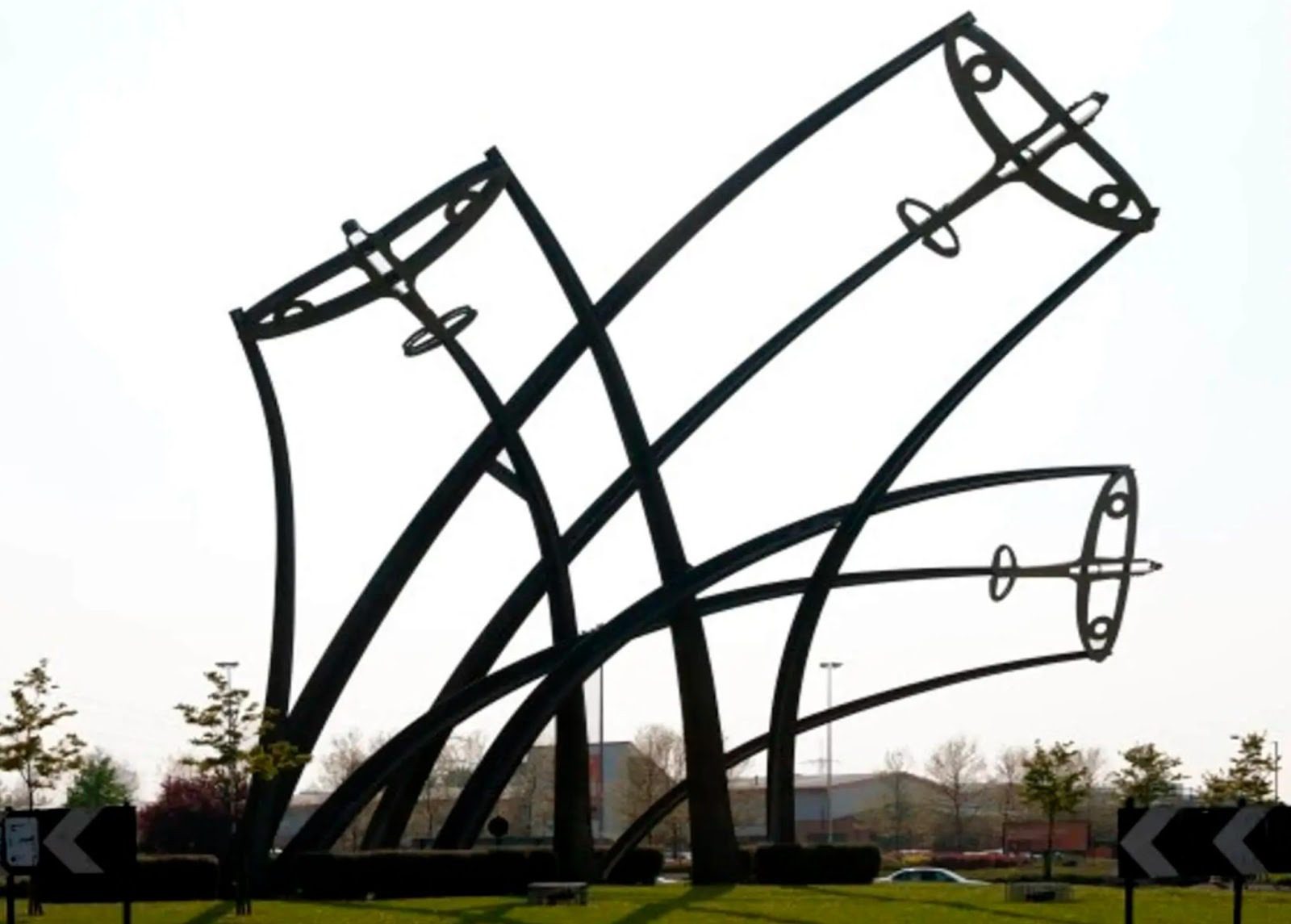
After 1945, Birmingham’s aviation industry gradually shifted from military to civilian use. Elmdon Airport, which had been opened shortly before the war, became the region’s main aviation hub and was later renamed Birmingham Airport.
Over the course of decades, it has transformed into a modern international airport serving dozens of destinations in Europe and beyond. Today, Birmingham Airport plays a key role in the Midlands economy, contributing primarily to the development of tourism, trade and international exchange.
At the same time, the city’s aviation heritage is preserved in museums, on memorial plaques and in educational initiatives, reminding us of the journey from the first tentative attempts of Alfred P. Maxfield and Edwin Prosser to the most modern passenger aircraft.
Therefore, it can be said that the history of aviation in Birmingham is a story of extraordinary evolution: from the first attempts of daring experimenters such as Maxfield to the demonstrations of Bentfield S. Hax, from Castle Bromwich Airfield to the assembly lines of the Spitfire, one of the best aircraft of the Second World War, and to the modern Birmingham Airport.
It reflects the city’s ability to adapt to technological and historical changes, using its industrial experience and potential for the benefit of aviation. Birmingham was not merely an observer of the rise of British aviation — it was one of its driving forces.
Sources:
- https://birminghamcivicsociety.org.uk/blue-plaque-spitfire-factory/
- https://www.birminghamhistory.net/category/castle-bromwich-airfield/
- https://www.solihull.gov.uk/about-solihull/castle-bromwich-history
- https://www.birmingham.gov.uk/info/50170/local_history/1646/castle_vale_local_history/4
- https://heritagecalling.com/2021/03/04/from-prototype-to-defender-of-the-skies-the-story-of-the-spitfire/