

Improved transport links and advances in mechanisation led to the emergence of localised cottage industries on the world market. This also affected pottery. What’s more, Staffordshire immediately comes to mind — one of the ceremonial non-metropolitan counties in the west of central England, which is part of the West Midlands region. It is now located 30 minutes’ drive from Birmingham. We are talking about an area that has become known as “Pottery”.
It is located in the hills north of Birmingham. Until around 1700, it was a rural area dotted with tiny villages, with a total population of no more than a few thousand. But what made this area special was that these small, modest villages were located on extremely complex layers of clay and coal deposits — which, incidentally, are the two most important ingredients for making ceramics. For more details on how pottery developed in Birmingham and the West Midlands, how it was influenced by Staffordshire, and how this ancient craft is doing today, read birmingham1.one.
The beginnings of pottery
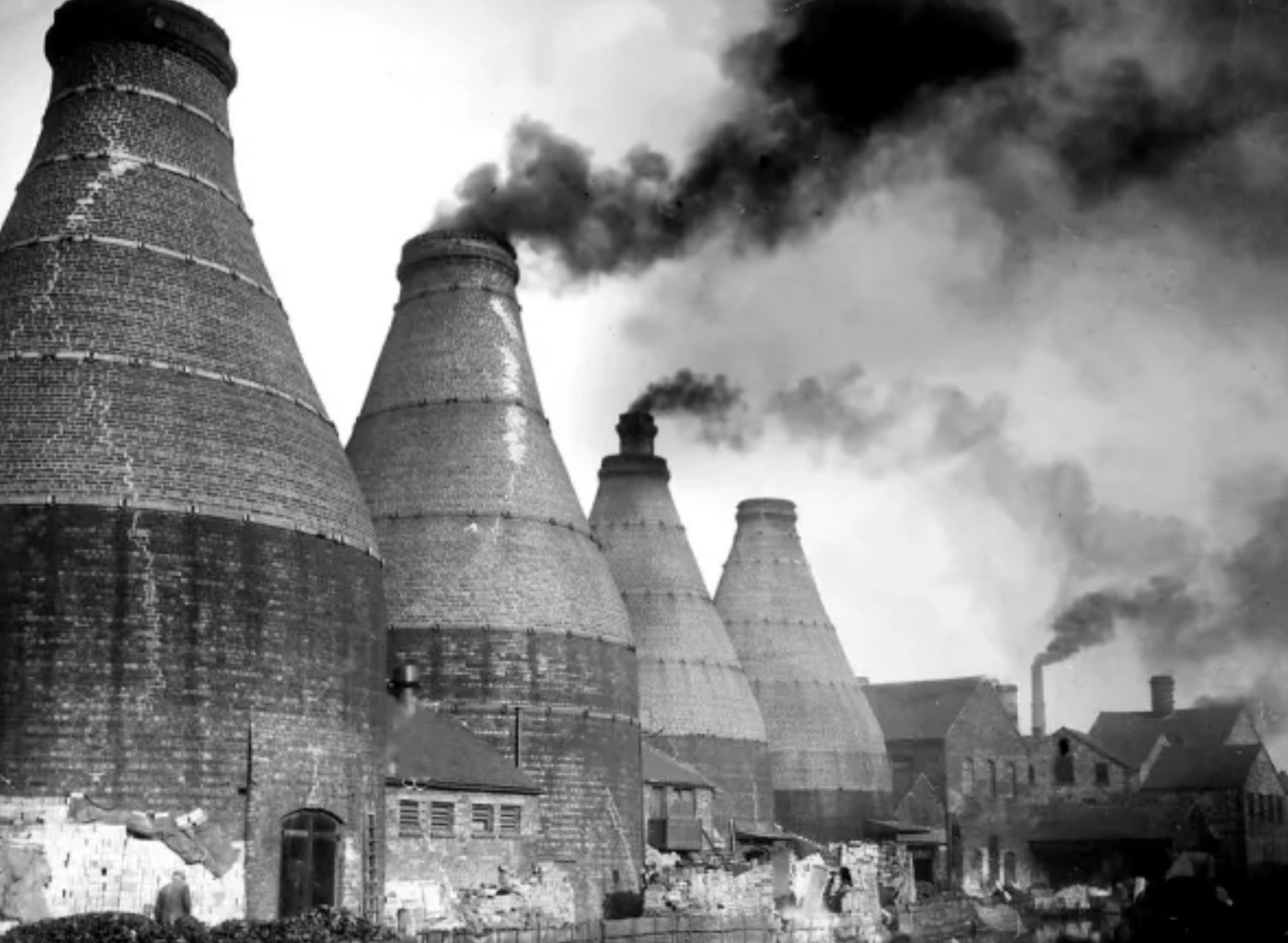
The history of ceramics in Birmingham dates back to the Middle Ages, or, to be more precise, ceramics began to be produced here in the 13th century. It was then that the first local communities began to process clay extracted in the surrounding area to create everyday objects. These included jugs, plates, cups, etc. Over the centuries, this craft underwent significant development, especially in the 17th and 18th centuries, in parallel with the economic rise of the city.
At that time, kilns were located on the outskirts of the city to keep them as far away as possible from wooden buildings due to the risk of fire. Birmingham ceramics became known as “Deritend ceramics”. It got this name because of the area where it was produced. The orange and white appearance of the pottery was very distinctive. The orange clay was found locally, while the white clay came from coal deposits in the Black Country. This indicates that Birmingham had important trade links and was able to export goods even in those distant times.
As for clay, it was mostly light in colour and ideal for making tableware, decorative vases and figurines. There were basically two types of clay: red clay, rich in iron, which provided strength and stability after firing, and white clay with a fine texture, suitable for the production of decorative and enamelled items. Craftsmen possessed various techniques of moulding and enamelling, which allowed them to produce both practical and aesthetic items.
Among the most common items were plates, bowls, storage pots and cups, often decorated with simple designs or coloured enamelling. The neighbouring county of Staffordshire, renowned for its ceramic products, which it successfully traded, had a significant influence on Birmingham pottery. This influence became particularly noticeable in the 18th century, when more practical shapes and brighter glazes began to be used.
Clay extraction
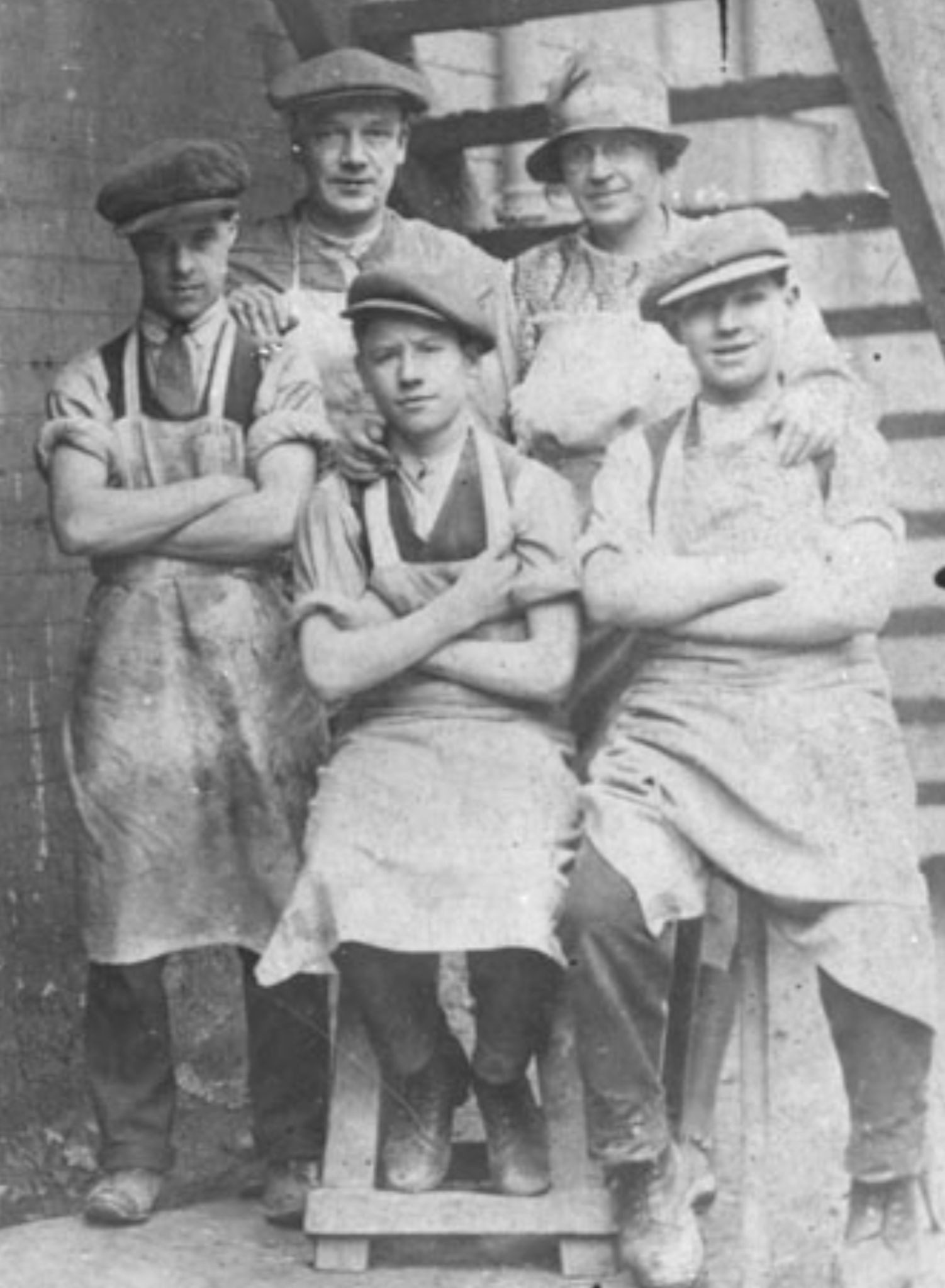
So, one of the most important components of pottery is clay. Before telling you about where medieval potters in Birmingham sourced their clay, it is worth mentioning an interesting story about the clay diggers of Staffordshire.
There is a known 16th-century court document stating that potter Richard Denielle was fined for digging holes on the main road in Burslem. At that time, such fines were imposed quite often. All this destruction of royal roads by local residents was not accidental — they were simply extracting the high-quality clay they needed. And at that time, it even became a widespread problem.
As for Birmingham, the clay needed for pottery was extracted from special quarries around the city. Some of them have an extraordinary history. For example, the Bordersley quarry began operating in the 17th century. From here, they supplied, in particular, fine and homogeneous white clay. Local potters bought clay directly from the quarry or worked in partnership with the quarrymen to ensure a regular supply.
After cleaning and sifting, this clay allowed for the production of items that were both durable and delicate. Thus, the quarries were an important link between natural resources and craftsmanship. Another interesting fact is that some of these quarries were ultimately operated by families for several generations.
Industrial production
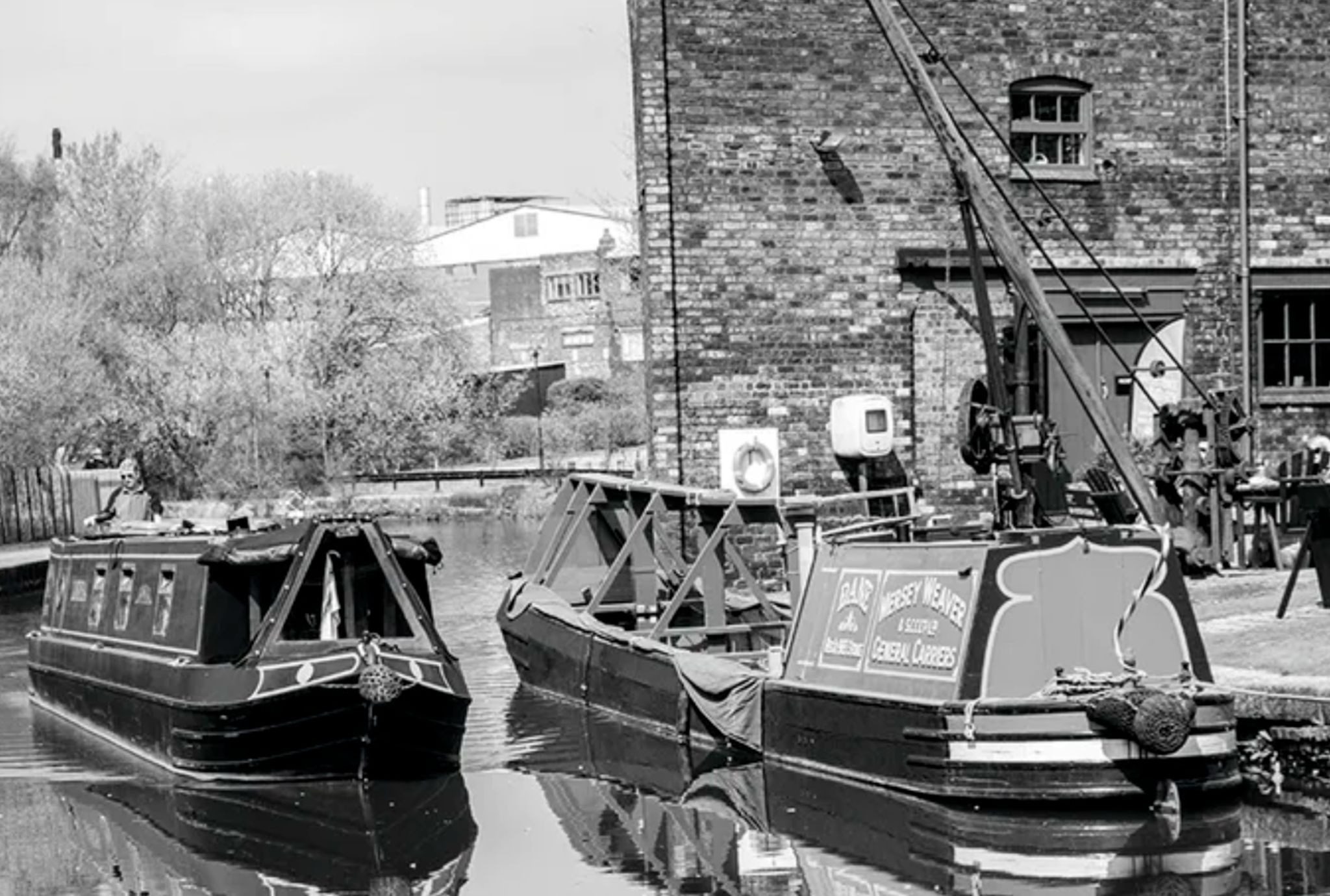
At the end of the 18th and beginning of the 19th centuries, the Industrial Revolution began. Birmingham gradually became a major industrial centre, and traditional pottery crafts also began to change under the influence of mass production. Many small family workshops switched to semi-industrial methods, which allowed them to produce large batches of tableware for local and international markets.
At that time, four key achievements were made in pottery, which enabled a quick and painless transition to industrial production of pottery. These were the mechanisation of the production of fine white creamware, the introduction of the lathe with mechanical precision, and the use of the steam engine for grinding flint. But one of the most important discoveries in pottery was the invention of the pyrometer, which allowed potters to control the temperature in their kilns.
The leaders in pottery were companies in Staffordshire, such as Mintons Limited and the even more famous Josiah Wedgwood. The algorithm of these enterprises was roughly the same: they started out as small family pottery workshops, eventually transforming into semi-industrial production of utilitarian tableware. Among the Birmingham potteries, it is worth mentioning Ruskin Pottery, which, although it did not become an industrial enterprise, produced decorative items with unique glazes as a studio workshop.
Ceramics as a modern hobby
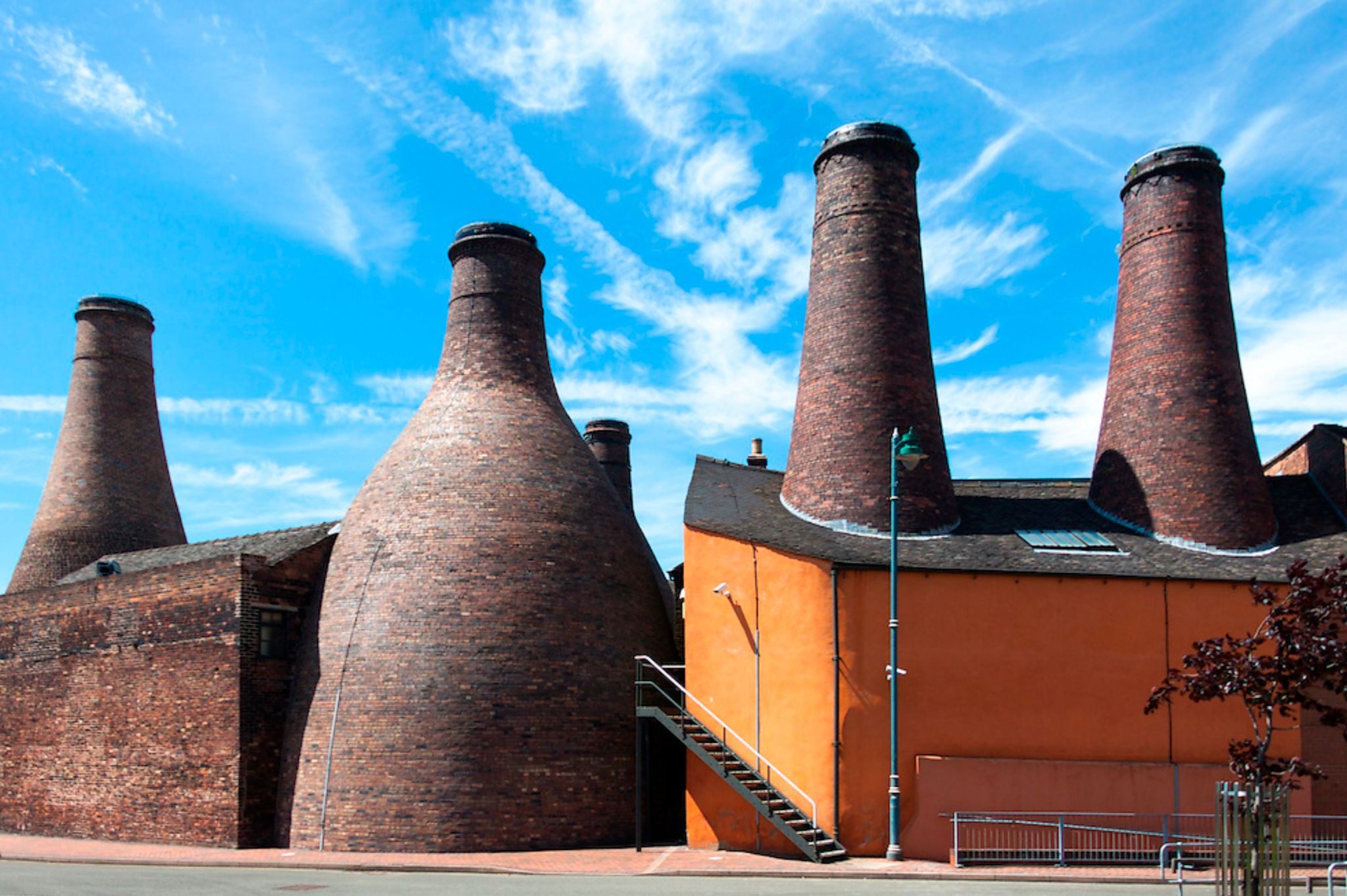
Today, pottery in Birmingham is experiencing a revival as a form of leisure activity. Many people take up this art form to relax, create unique items and revive a historical tradition. Among contemporary workshops, The Pottery Workshop Birmingham stands out for its history and dedication to promoting artisan pottery.
Founded in the 1980s, this school allows enthusiasts to discover pottery, modelling and enamelling under the guidance of experienced masters. Participants can create unique pieces, from bowls to decorative vases, while learning techniques passed down from master potters of the past.
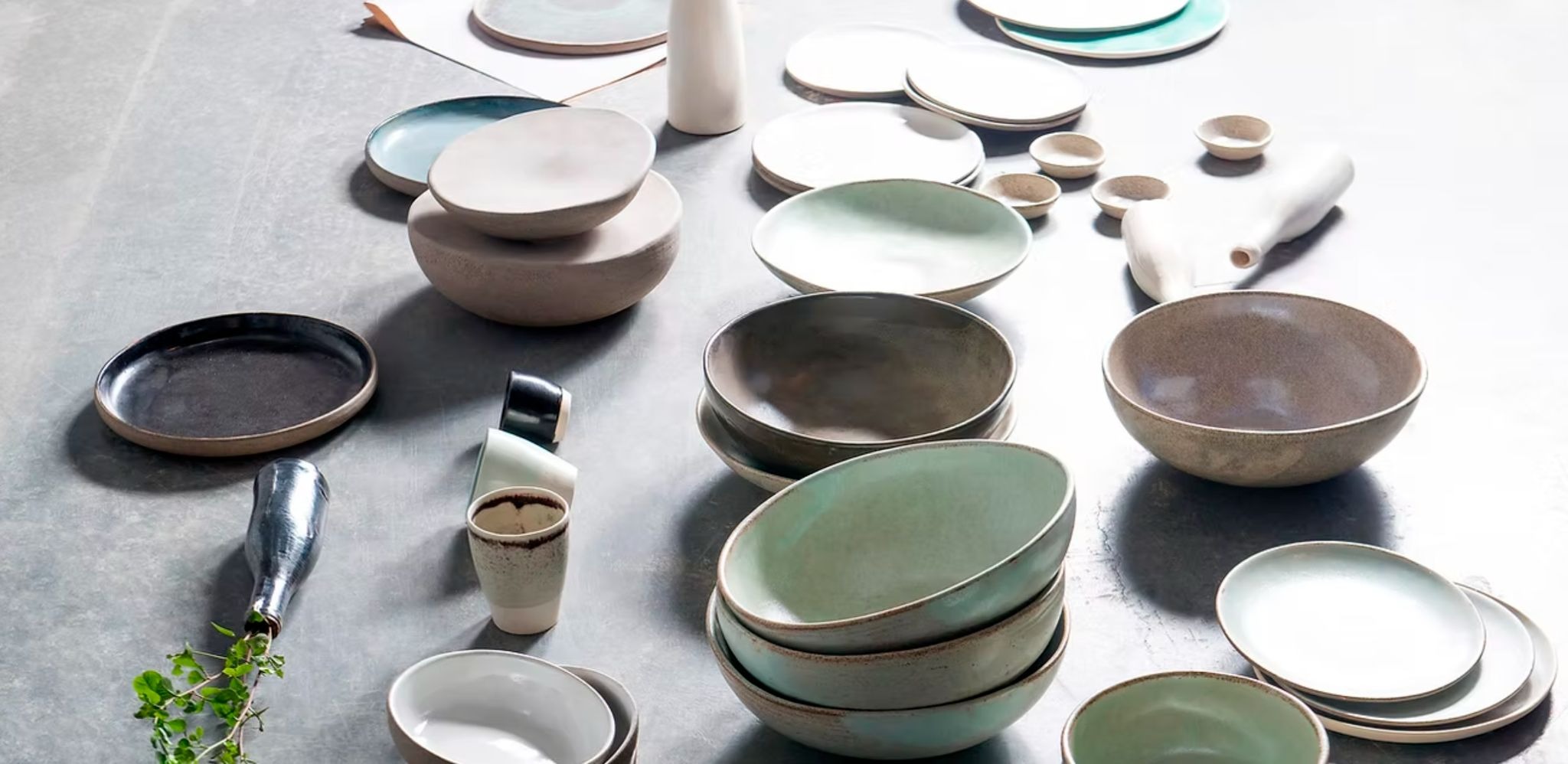
During classes, attention is paid to the selection and preparation of clay. At The Pottery Workshop Birmingham, they remind us that ancient techniques remain relevant today: enthusiasts are still taught how to sift, mix, and age clay, as well as various types of firing. In this way, pottery becomes not only a creative hobby, but also a means of preserving and passing on historical experience.
The pottery craft in Birmingham illustrates perfectly the transition from traditional craftsmanship to industrial innovation, while remaining an accessible and useful activity. From the development of local clay quarries to modern workshops for enthusiasts, this art continues to shape the city’s culture and heritage.
Sources:
- https://www.antiquesandthearts.com/unique-collection-of-english-ceramics-debuts-in-birmingham/
- https://www.sifouniospottery.com/post/english-pottery-history-a-comprehensive-guide
- https://www.homesandantiques.com/antiques/collecting-guides-antiques/design-icons/history-of-the-potteries
- https://ruskinpottery.org/