

Remote learning is a popular choice for many modern Birmingham families. It’s not just for school pupils and university students; it also offers a pathway for older adults looking to switch careers or gain new skills. However, the history of distance education began long before the COVID-19 pandemic. So, when did it all start, and what are the key benefits and features of this type of learning that Brummies should know about? Find out more on birmingham1.one.
A Look Back at the History of Distance Learning
It might come as a surprise, but distance education existed long before the internet. Of course, it looked very different from what we’re used to today. In the UK, the roots of remote learning can be traced back to the mid-19th century. The University of London was the first to pioneer this form of study in 1858. Over the following decades, this innovative approach was adopted by other major British cities, including Birmingham.
The University of Birmingham, founded in 1900, was one of the first institutions to embrace distance learning. Even back then, it was a prestigious place to study, with many aspiring students eager to get in. This new format allowed even more people to access a quality education. But how was it all done without any of the IT gadgets we rely on today?

The key tool that made it all possible was the postal service. Students would receive all the necessary materials by post and could work through them in their own time. In-person meetings with tutors were also an option, typically held during student holidays or in the evenings.
Distance Learning in the 21st Century
When the internet became widely available in the 1990s, it was quickly adopted for educational purposes. At the University of Birmingham and other city institutions, part-time and remote study became even more popular as students could now connect with their lecturers online. By the early 2000s, specially designed platforms and other online tools were being actively used to support learning.
The real surge in popularity came in 2020 with the COVID-19 pandemic. In March of that year, schools and universities across Birmingham had to adapt to a new way of working. While online classes were not entirely new for higher education, it was a first for many school pupils.
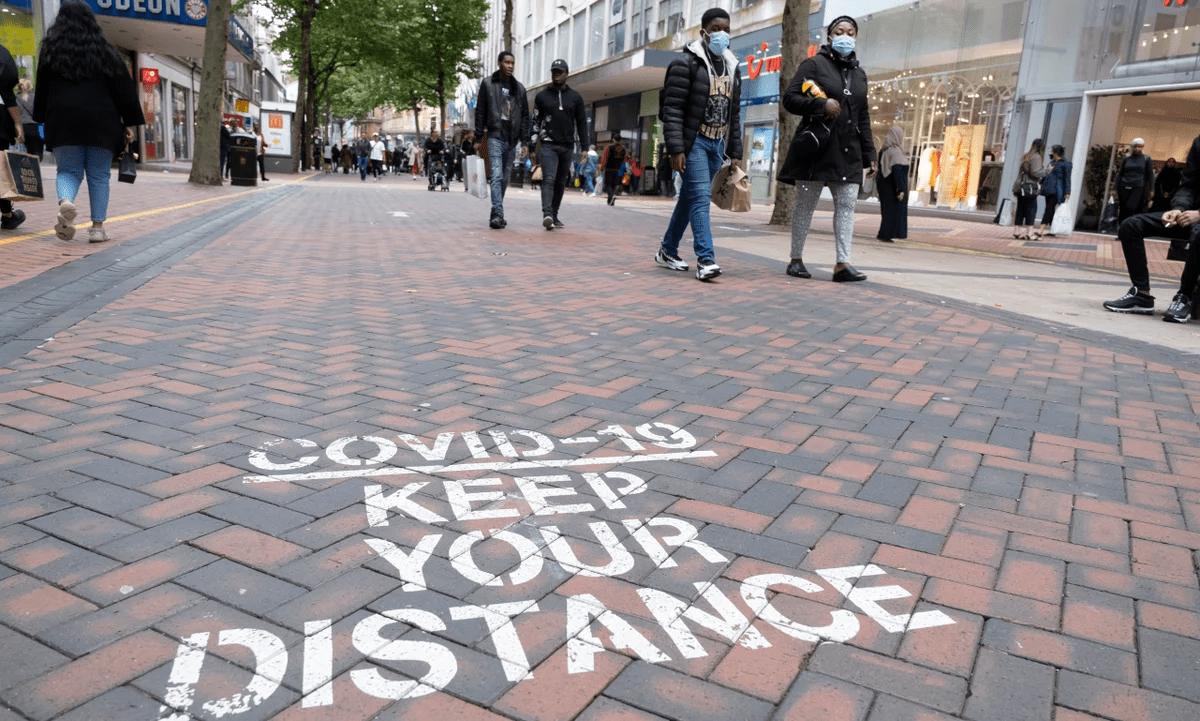
Birmingham schools rolled out a comprehensive training programme to help teachers get to grips with the new technology, all while classes were happening. The Birmingham City Council and various charities played a crucial role in providing support and ensuring every student had a suitable device to learn with.
By the end of 2020, local authorities felt they had the situation under control, and restrictions gradually began to ease. In early 2021, most schools and universities in the city moved to a hybrid model. Lectures were held online, while practical sessions and exams were conducted in person. It seemed like online learning might lose its momentum, but it turned out to be so convenient that it remains a popular choice to this day.
Benefits for Modern Brummies

For Birmingham families, the main advantages of remote education are:
- Flexibility. Many students need to balance their studies with a part-time job. This is often necessary because while a Birmingham education is high-quality, it can be quite expensive. By studying from home, students save time on their daily commute. What’s more, remote learning is often significantly cheaper than its in-person equivalent.
- Quality. Students at Birmingham’s universities receive the same internationally recognised degrees as their on-campus counterparts. This opens up a world of opportunities for graduates to find jobs and build successful careers.
- Unlimited access to materials. Birmingham’s educational institutions use interactive platforms for learning, and all the materials are available 24/7. Lecturers note that this online format helps students develop important skills like discipline, responsibility, and self-confidence.
When it comes to school-age children, most parents still prefer traditional in-person learning. However, some Birmingham families choose online schools, usually due to frequent travel or a child’s specific needs that are better met by remote learning.
Distance Learning at the University of Birmingham
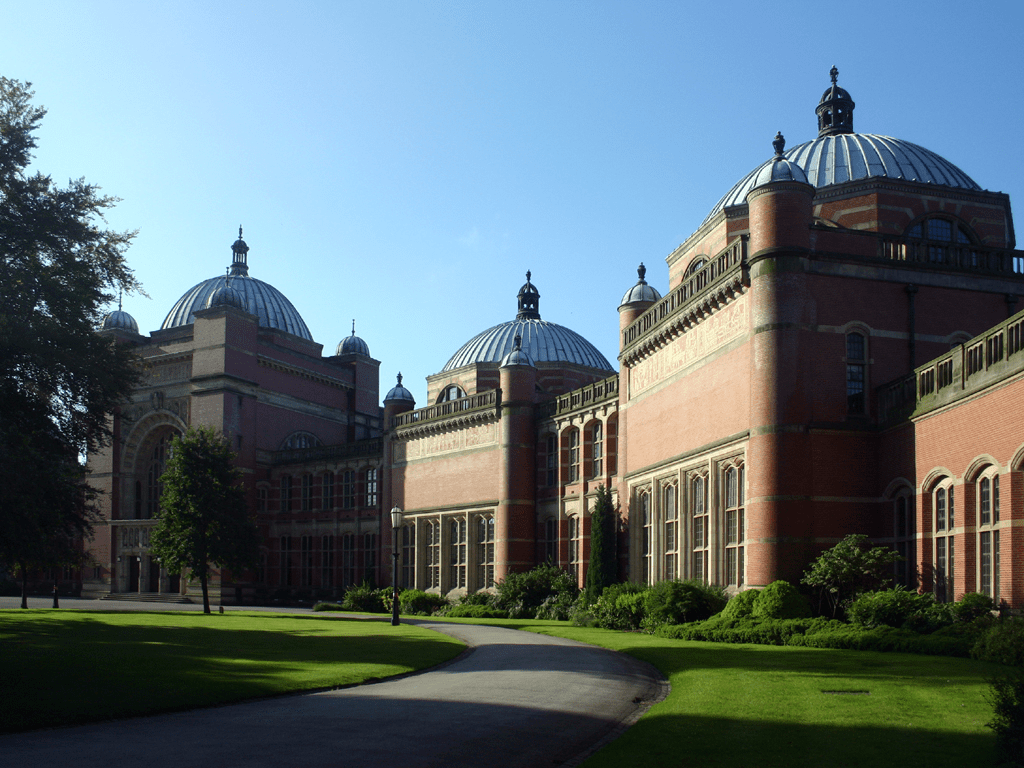
Let’s take a closer look at remote learning using the city’s most prestigious university as an example. The University of Birmingham, along with its international college, offers both on-site and online study options. They’ve developed their own programmes using the latest technology to make this possible.
The university uses its own virtual learning environment, Canvas VLE, for remote students. All you need is a laptop and a good internet connection. The Canvas VLE support team is available 24/7 to help with any technical issues.
Students who learn remotely at the University of Birmingham praise the platform for its structured approach. Many say they can study and take exams from anywhere. The online programme includes lectures, guest speaker talks, discussion forums, simulations, and group work. This variety ensures that the lessons are engaging and far from boring for everyone.
The University of Birmingham also holds online open days and other events. This way, prospective students and those studying remotely don’t feel left out.
Opportunities for Older Adults

Distance learning also provides a great opportunity for older adults to gain a quality education. This is often necessary for those who need to:
- Upskill and obtain a relevant new qualification.
- Change careers and learn a new profession from scratch or a related field.
- Find themselves in difficult circumstances and need to quickly learn a trade to support themselves.
Older adults often can’t commit to several years of full-time study. They need to balance their learning with work, family, and other commitments, which makes distance learning the only viable option. Many choose accessible online courses. For example, platforms like Coursera and Skillbox are popular among Brummies.
While remote learning has many advantages and can be a lifeline for some, it’s not without its challenges. Some find the lack of face-to-face interaction difficult, while others worry about the health impacts of spending long periods in front of a screen. Self-discipline and concentration can also be hurdles. For these reasons, remote learning is unlikely to completely replace in-person education, but it is certainly a strong competitor, a fact that is becoming increasingly clear today.