

In the 19th century, Birmingham, England, known as the “City of a Thousand Trades,” had a highly diversified industrial economy which, despite unequal rights, depended to a significant extent on female labour. For example, unlike the factory towns of Lancashire, where cotton was the main product, Birmingham’s industry was characterised by small workshops that employed cheaper female labour, and women played an important role in this type of production. They worked as stampers in the metalworking industry.
Similarly, women in Birmingham worked in the Jewellery Quarter as cutters, polishers and enamellers, as well as making components for powder compacts, buttons and penknives. Many women worked in low-paid, often domestic production, making chains, nails and hooks. Domestic service was considered strictly women’s work. This included housekeepers, cooks, nannies and general servants. For more details on the professions that Birmingham women mastered during the Industrial Revolution, read birmingham1.one.
Women in industry
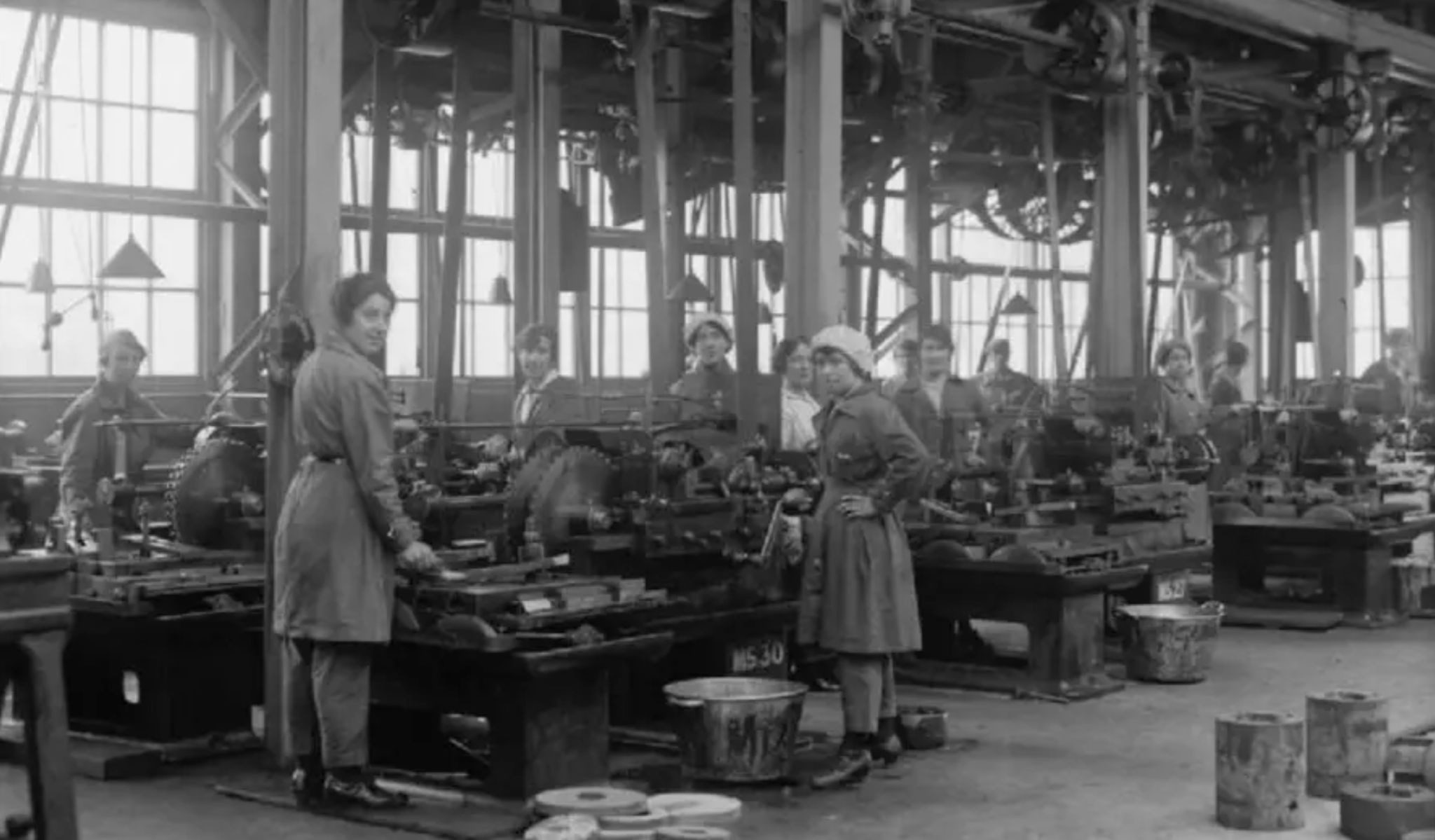
Metals, buttons, chains, steel pens, brass goods and even light weapons: Birmingham produced goods for the entire empire. But behind this apparent prosperity lay a harsh, fragmented and deeply unequal labour market, in which women nevertheless played an important role.
Contrary to the traditional image of Victorian women confined to domestic duties, tens of thousands of Birmingham women were directly involved in raising the city’s economic profile. Their labour was ubiquitous, despite low pay and rare recognition.
One of the most symbolic sectors was the production of metal pens. In the mid-19th century, Birmingham supplied most of the world’s writing pens, and up to 70% of the workforce involved in this industry were women. Girls and women performed so-called repetitive tasks: polishing, sorting, assembling and packaging. The work was fast-paced, precise, and often dangerous for fingers and eyes.
In addition to this leading industry, many women worked in button manufacturing, assembling small metal parts, lacquering, or producing brass items. There were also those who worked from home. Parts were delivered directly to their homes, and later they received wages for the work they had done. This form of employment allowed them to combine work and family responsibilities, but it was very unstable.
The working day for women often exceeded ten hours. The workshops where they worked were often poorly ventilated, noisy and filled with metal dust. At the same time, there were virtually no protective measures in place.
How much did they earn?
Women’s wages at that time were always lower than men’s wages. On average, female workers earned between a third and a half of what men were paid for the same work. There were many cases where women in some workshops earned barely enough to cover the cost of food and room rent.
This difference was justified by the prevailing opinion at the time that women’s income was merely a “supplement” to their husbands’ income — even in cases where women were the sole or main source of income. Piecework pay further exacerbated this difference. Moreover, the slightest slowdown in work or illness meant an immediate loss of wages.
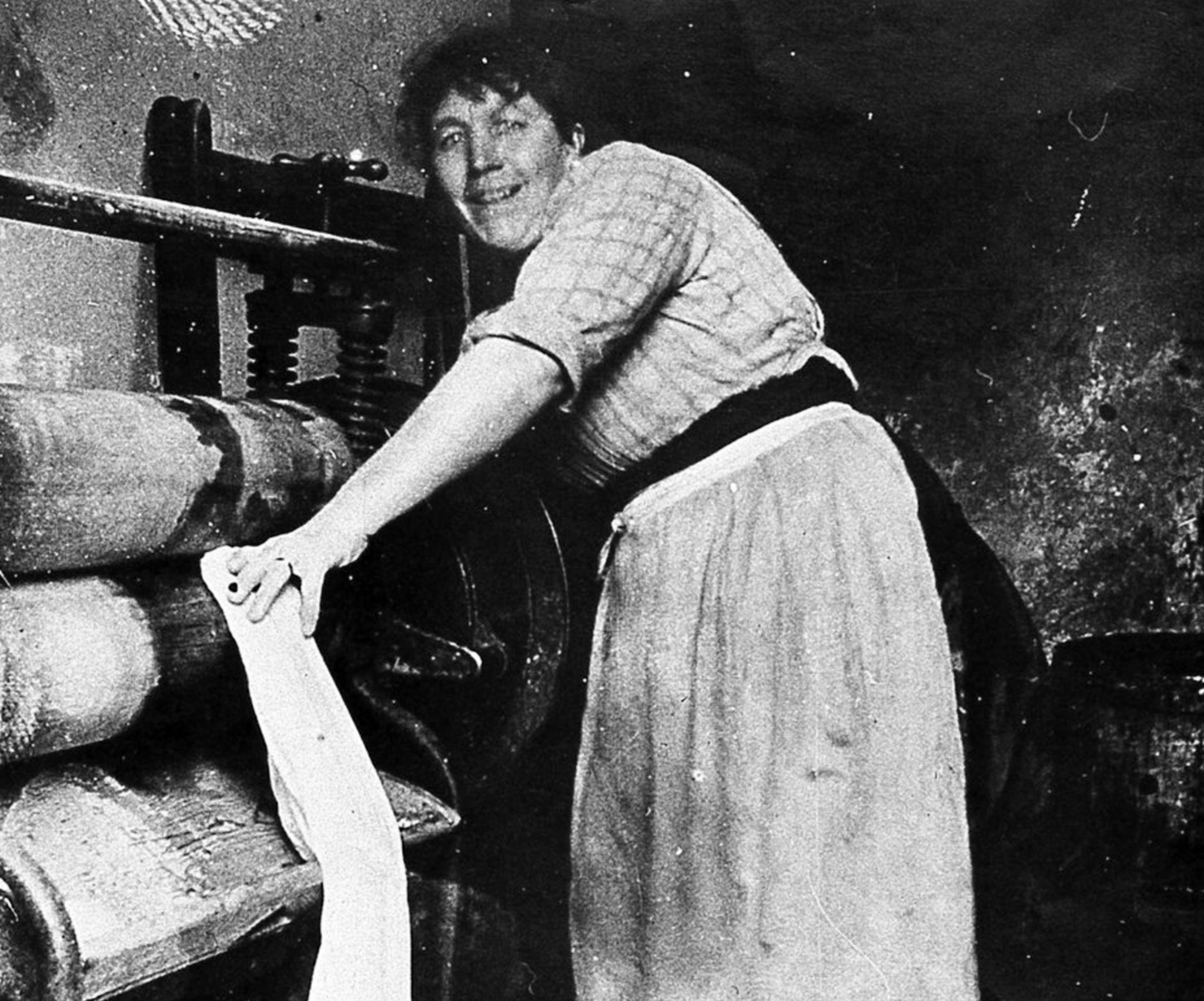
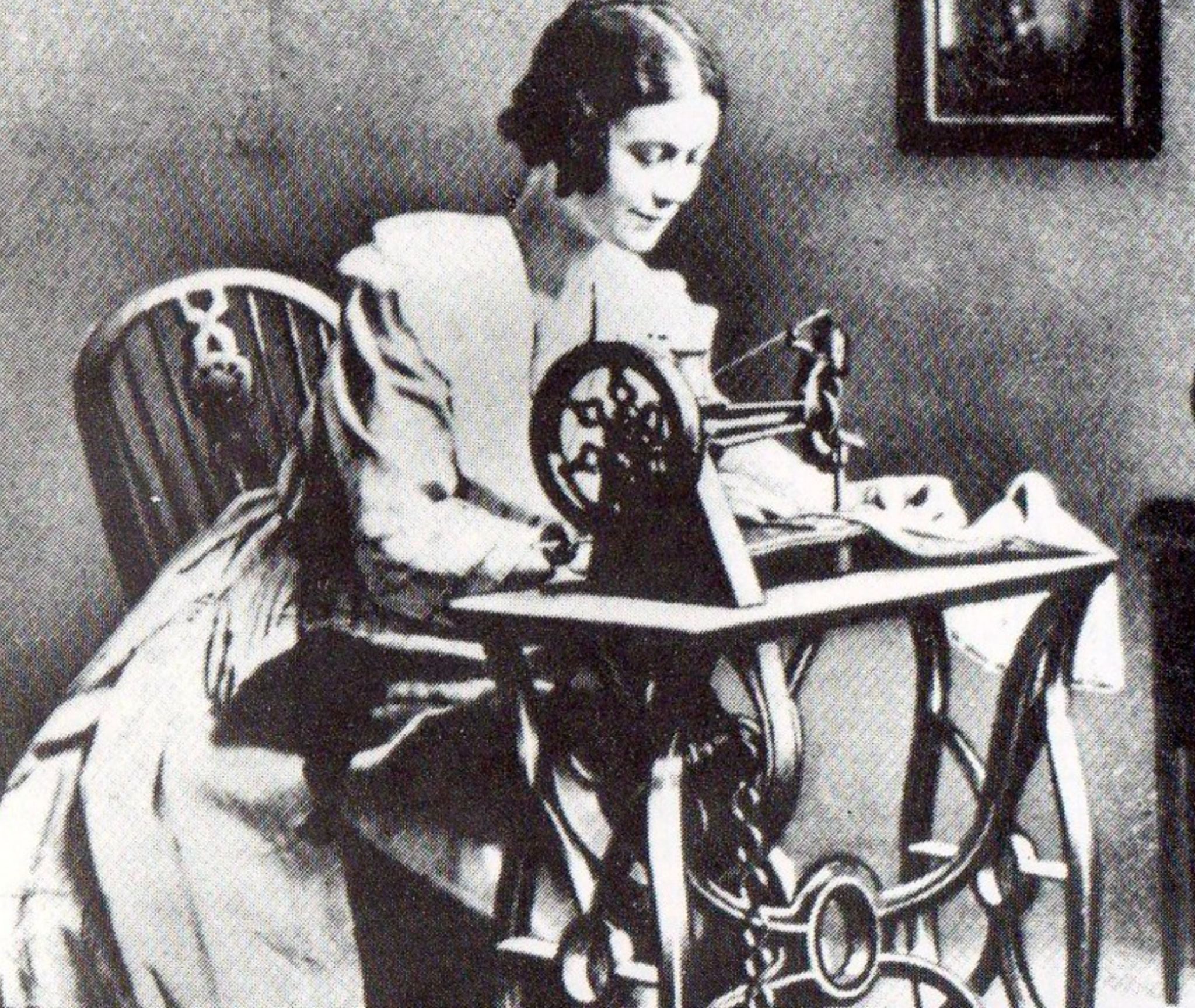
Outside of industry, the largest employer remained the domestic services sector. Cooks, maids, nannies, etc. often lived with their employers, had little private life, and were almost constantly available. Other typically female professions were laundresses, seamstresses, dressmakers, and linen maids. These professions were physically demanding and low-paid, but socially more acceptable.
For women belonging to the petty bourgeoisie, the choices were equally limited. Teaching or becoming a governess were virtually the only glamorous careers available. Some of them also found work in hospitals and charitable institutions, especially at the end of the century, as nursing became more professionalised.
On the one hand, Victorian society valued female respectability, while at the same time exploiting women on a massive scale. In factories, they had to obey strict discipline, work at a fast pace, and sometimes endure harassment. Social laws such as the Factory Acts eventually restricted certain practices, including child labour and excessive working hours, but their enforcement remained uneven.
But despite all this, these jobs gave many women a new, albeit precarious, form of economic independence. Thus, Birmingham became an early laboratory for the feminisation of urban labour.
Women during the Second World War
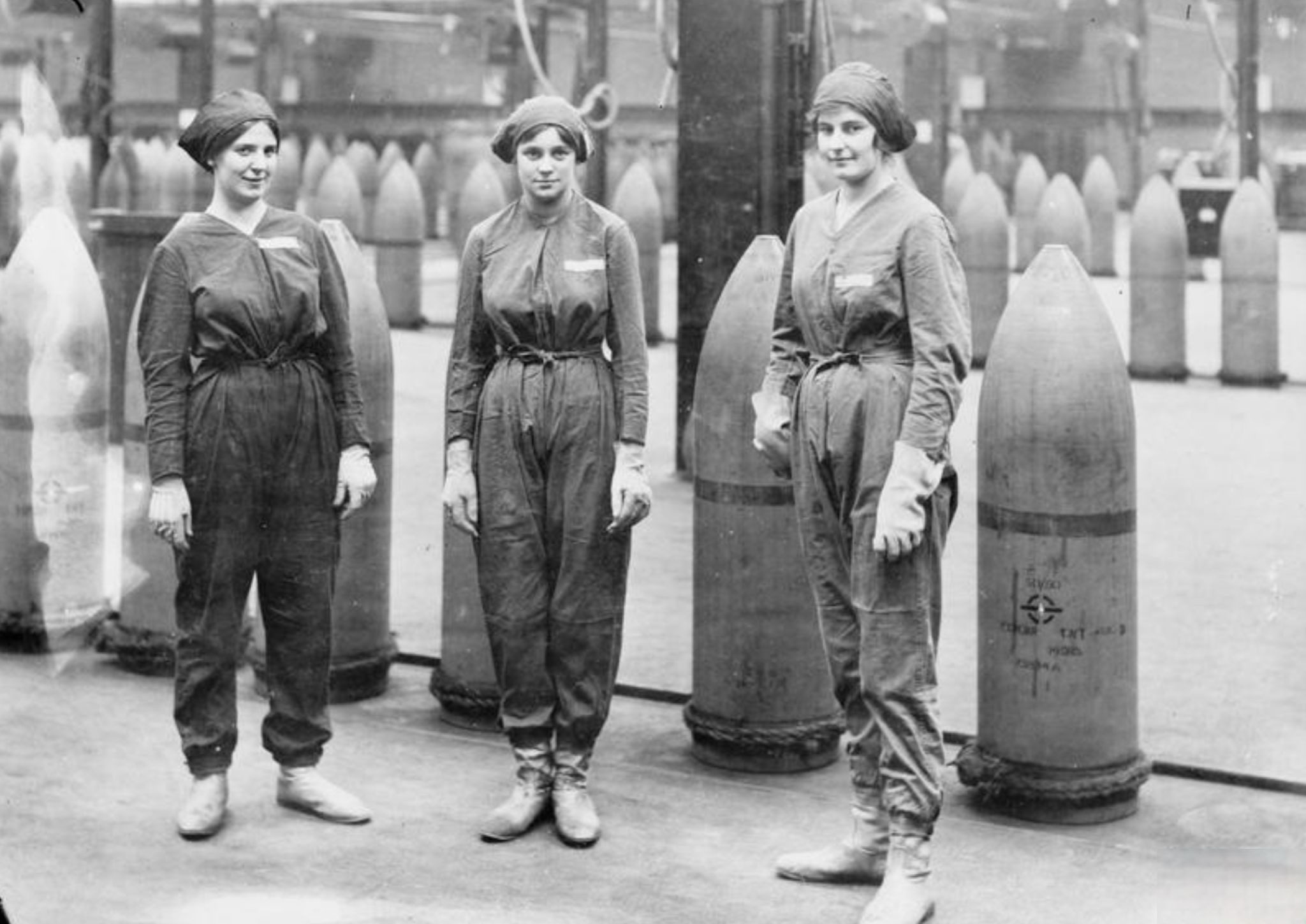
However, the real turning point came in the 20th century, during the Second World War. With men being sent to the front en masse, women filled sectors that had previously been inaccessible to them because they were considered purely masculine. These included arms factories, heavy engineering, transport and logistics.
In Birmingham, a city of strategic importance to the military industry, women began manufacturing ammunition, aircraft parts and military equipment. They were seen driving trams, repairing cars and managing warehouses. The contribution of Birmingham women to the victory was vital to the national effort.
It is known that women’s salaries began to rise at this time. But, in fairness, equality was not achieved. On average, women still continued to earn 60–70% of men’s salaries. On the other hand, a four-year experiment, during which women took up male professions, changed not only their mentality, but also men’s attitudes towards them. From then on, women’s competence in technical professions was no longer questioned.
After the war, many of them were forced to leave such positions, but the precedent had already been set. Women’s place in the world of work would never be the same again.
On the path to institutional recognition
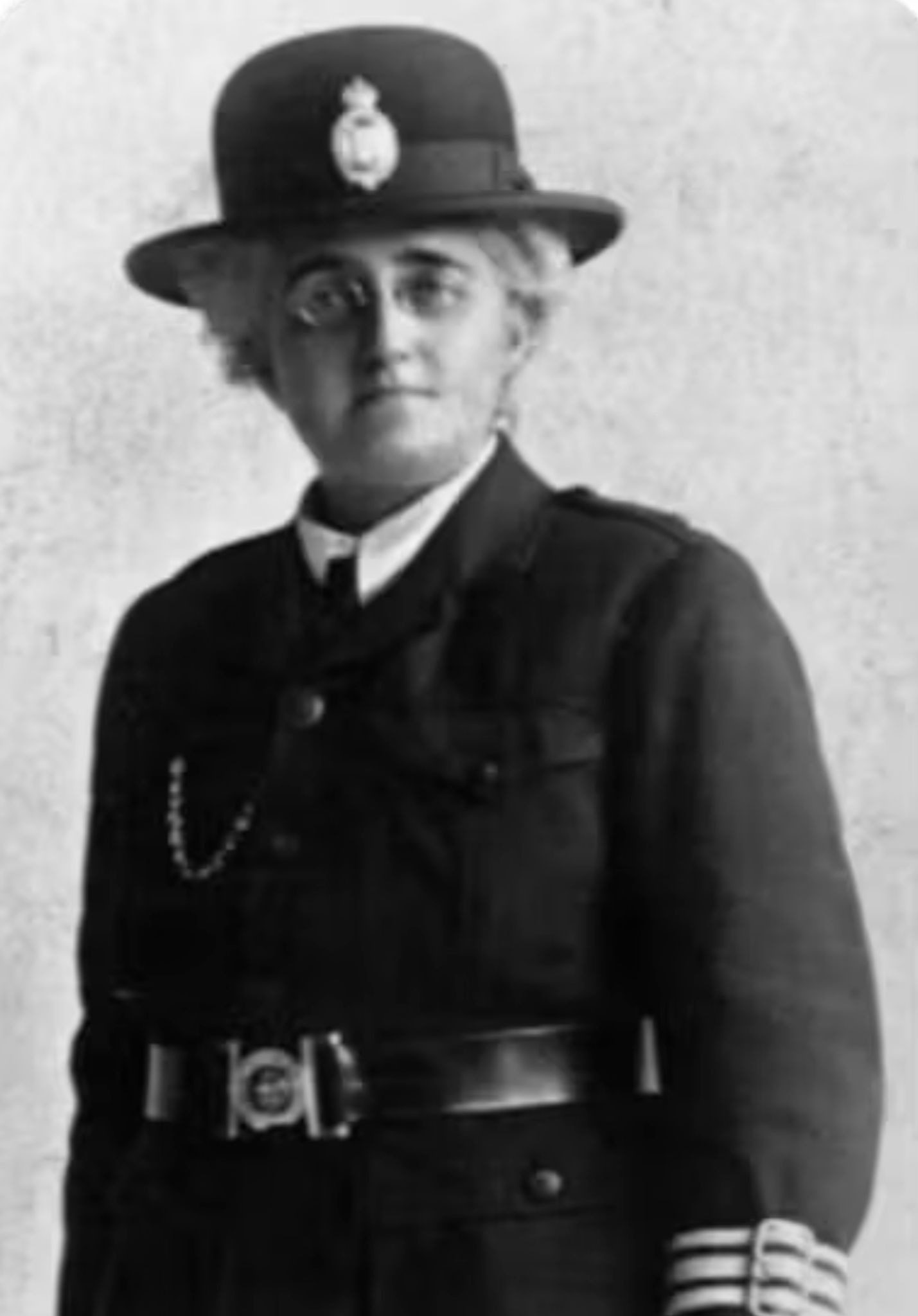
This evolution was equally evident in public services. Although some women had already been performing informal functions in the 19th century, such as supervising prisoners, providing social assistance, etc., it was not until the early 20th century that the police began actively recruiting women.
This does not mean that women began hunting gangsters and other criminals with weapons. In Birmingham, as in other cities in Great Britain, the first female police officers dealt mainly with cases involving minors, domestic violence and protecting women themselves. Gradually, their responsibilities expanded. This process symbolised the transition from tolerance of women’s presence to official professional recognition.
From grinding steel feathers to assembly lines during the Second World War, the women of Birmingham made an enormous contribution to the city’s economic development. Underappreciated and often invisible, they nevertheless shaped the local industrial identity.
Their story reminds us that urban progress was built not only on big machines and famous entrepreneurs, but also on the patient, repetitive and courageous labour of thousands of ordinary women, whose legacy continues to influence the modern labour market.
Sources: