

In 1846, the abolition of the so-called Bread Laws was pushed through the British Parliament. This opened up the domestic market to cheap corn from the American prairies, from underdeveloped agricultural Russia, and from wherever British merchants could import cheap grain. The stated purpose of the abolition was to combat the hunger and poverty that plagued Britain at the time. It was assumed that the importation of cheap corn to the island would solve this problem.
But even more important than the fight against hunger, the abolition of the Bread Law was the beginning of a period of free trade. Looking ahead, it lasted until the 1930s, finally destroying the remnants of the old mercantilist system that had been introduced under Oliver Cromwell in the mid-17th century. Read more about this at birmingham1.one.
The collapse of the mercantilist system
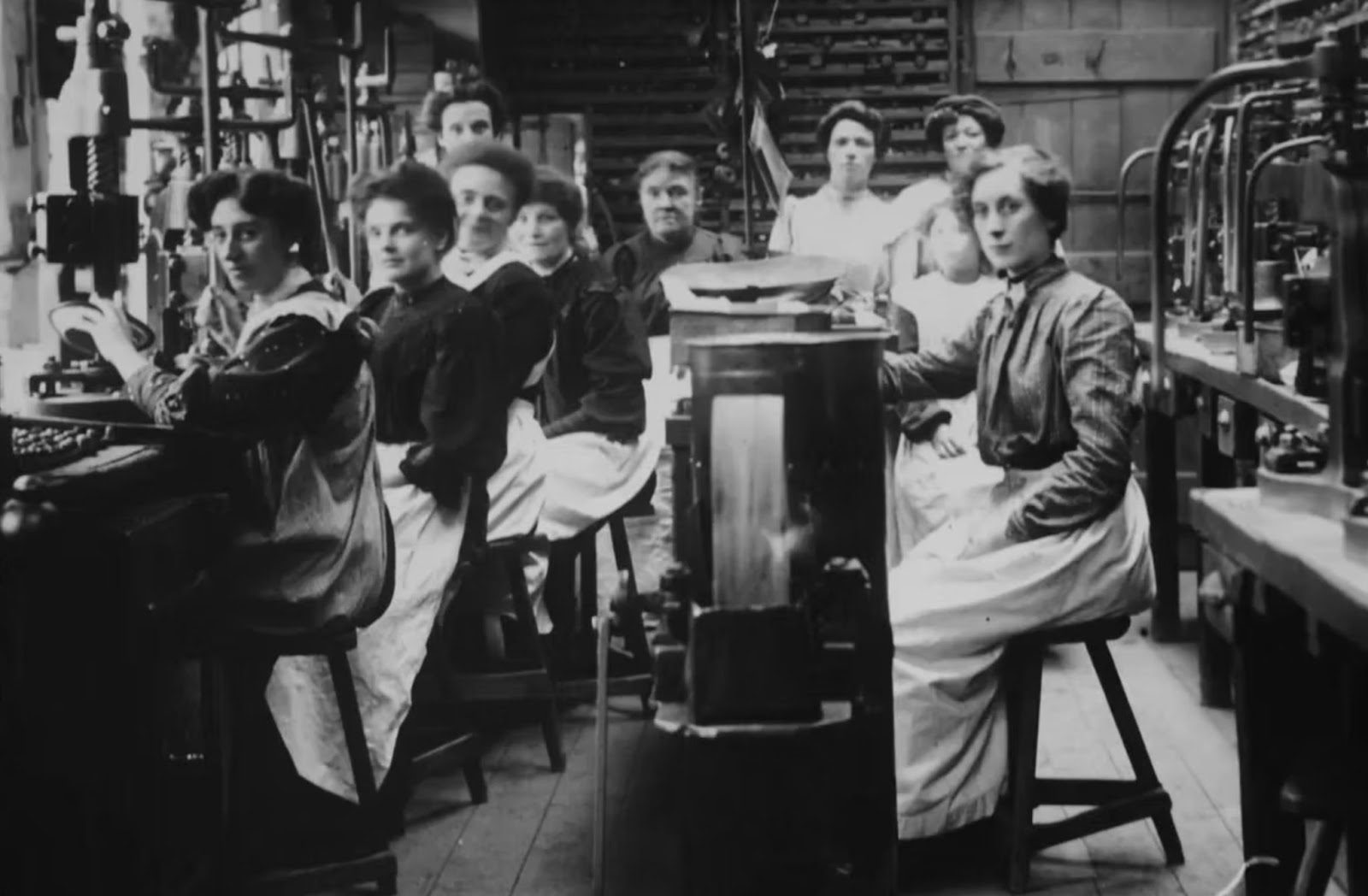
The mercantilist system was a kind of defence. It was based on the dominant economic theory of the time, which believed that there was a limited amount of wealth in the world. A nation could only increase its wealth by increasing its share of the world’s wealth. On this basis, laws were introduced to restrict trade and ensure maximum self-sufficiency of Britain.
Thus, the end of the mercantilist system was a victory for all those whose industry was at the centre of the Industrial Revolution. We are talking about the so-called “steam” and “cotton” industrialists who built huge multi-storey factories in the 1830s. In contrast, landowners were the big losers from this policy. Nevertheless, the new industrialists were convinced that having cheap food would ensure a healthy and productive workforce, and that paying people a stable wage would ensure a stable social order.
Now, just five years after the repeal of the Bread Laws, the Great Exhibition was held in London in Hyde Park, a brilliant advertising campaign to show the world Britain’s industrial superiority. It was an economic advantage that lasted until the end of the Victorian era. However, it was not without armed conflicts that took place in the late eighteenth and early nineteenth centuries. Having won them, Britain eliminated its rivals in trade in Europe.
For example, during the Seven Years’ War and the subsequent Napoleonic Wars, France’s global military power was destroyed by victories in India and Europe. And the victories at Waterloo and Trafalgar made Britain the dominant country in the world. This was especially evident on the world’s seas and sea trade routes. It should not be forgotten that it was at that time that Britain was undergoing an industrial revolution. It was the first European country to do so. It did so because of the internal stability it had achieved at the time and its deep religious commitment to the development of commerce, Christianity, and trade. Moreover, Britain managed to maintain this economic dominance until the last quarter of the century.
“The workshop of the world”
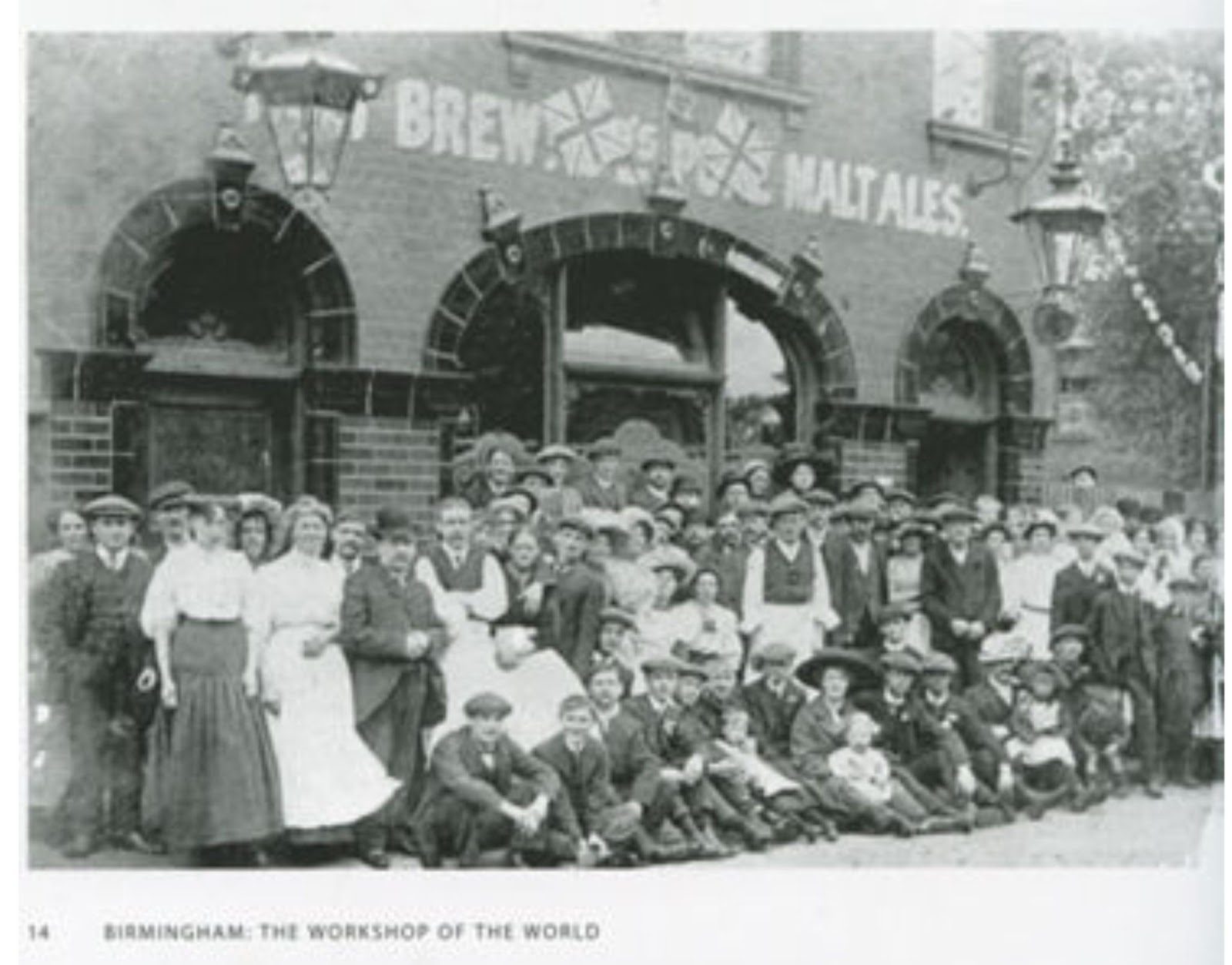
Birmingham was at the forefront of the industrial revolution, with its Black Country and city canals for delivering goods made here to both domestic and global markets. It’s not just a case of being called the “workshop of the world”. At that time, weapons made in Birmingham were in great demand. As a result, some local businessmen managed to make a lot of money during the American Civil War by selling weapons to the South. Needless to say, the Birmingham Gun Barrel Test House is still in operation today, and it began its work in the 17th century.
In the middle of the nineteenth century, between 1855 and 1861, more than six million weapons were tested and inspected in Birmingham. Of course, many of these samples were intended for the United States. In the late 1700s and early 1800s, Birmingham’s arms manufacturing community happened to grow around St Mary’s Church.
Initially, it was simply an area chosen for the establishment of businesses. But over time, the community gradually turned into a labyrinth of workshops that worked in the backyards of houses.
Later, this area was called the “Gun Quarter”, where skilled craftsmen made high-quality weapons by hand. The Birmingham Gun Barrel Test Centre was opened in 1813. It was planned to check and weed out poor quality weapons by testing them. That’s why this building still stands on Banbury Street.
That trade brought millions of weapons, which were used, among other things, during the Napoleonic Wars, in the American Civil War, though mostly on the side of the South. This meant that a lot of money was made. It’s a fact that the profligate craftsmen who made guns and barrels were paid between £20 and £50 a week, this is in the early 1860s, so they could afford to light cigars in pubs with £5 notes.
The rise of the machines
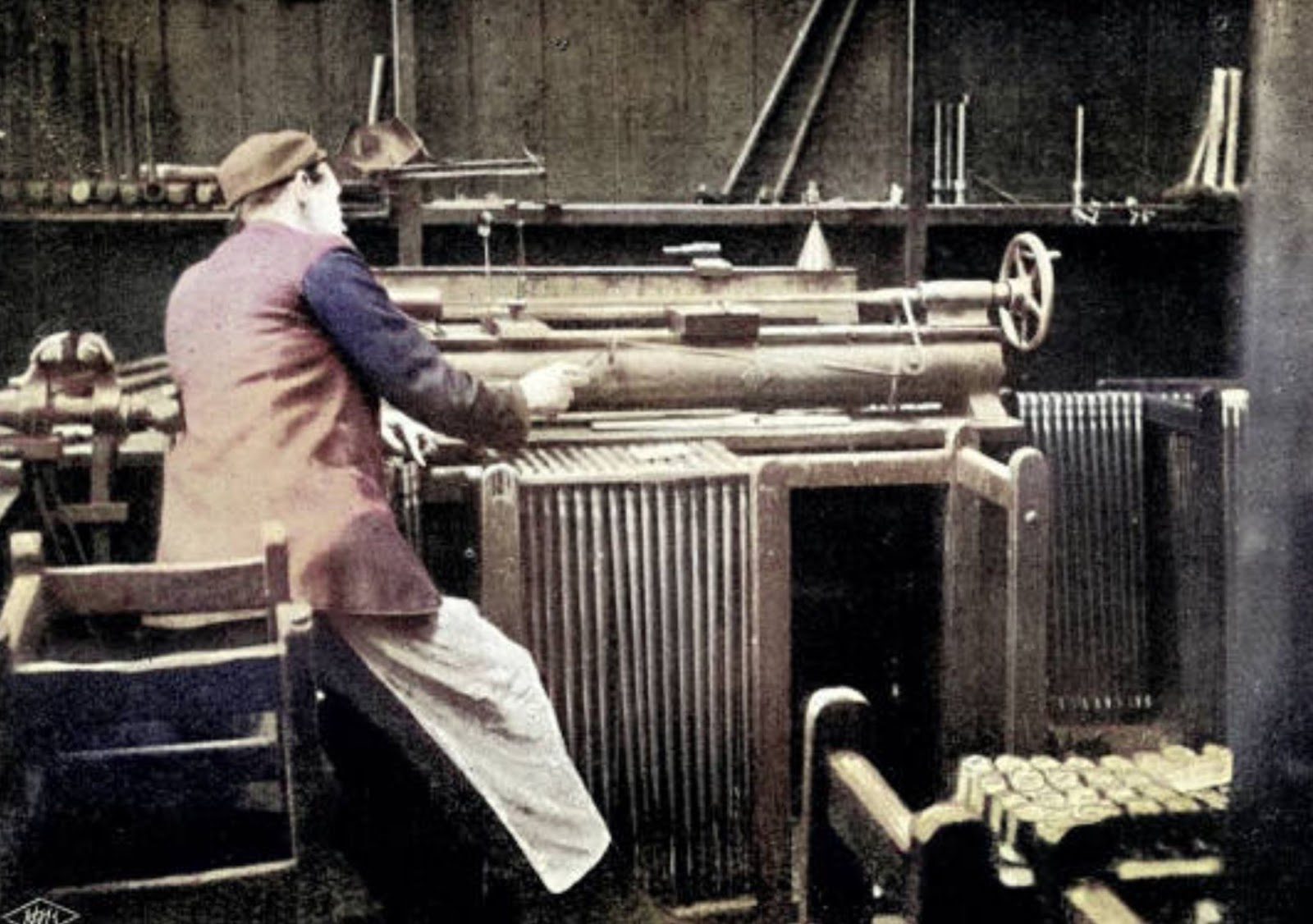
It is known that at the beginning of the mercantile boom, goods were produced mainly by hand. But after a group of leading manufacturers founded the Birmingham Small Arms company, real machines appeared. It was an extremely competitive and secretive business. When working on a machine in a vice, it was covered with a cloth for clarity.
In those days, even the rules of apprenticeship were changed. During the Napoleonic Wars, this was done to ensure that the business could be safely run. Initially, machines were brought in from outside Birmingham, from Greenwood and Batley in Yorkshire. There were also machines brought from the USA. After all, many Birmingham residents moved overseas. Later, local craftsmen and manufacturers produced the machines.
However, such “golden times” could not last forever. In the early twentieth century, along with the city’s growth, arms production began to decline, and then almost collapsed.
But reminders of better times are still visible in the city. For example, the aforementioned Birmingham Gun Barrel Testing Plant, which is still in operation today. But there is also Westley Richards, the largest and most popular Birmingham gun manufacturer, which has a new facility on Pritchett Street, in the heart of the “trade”.
Modern exports — what business wants
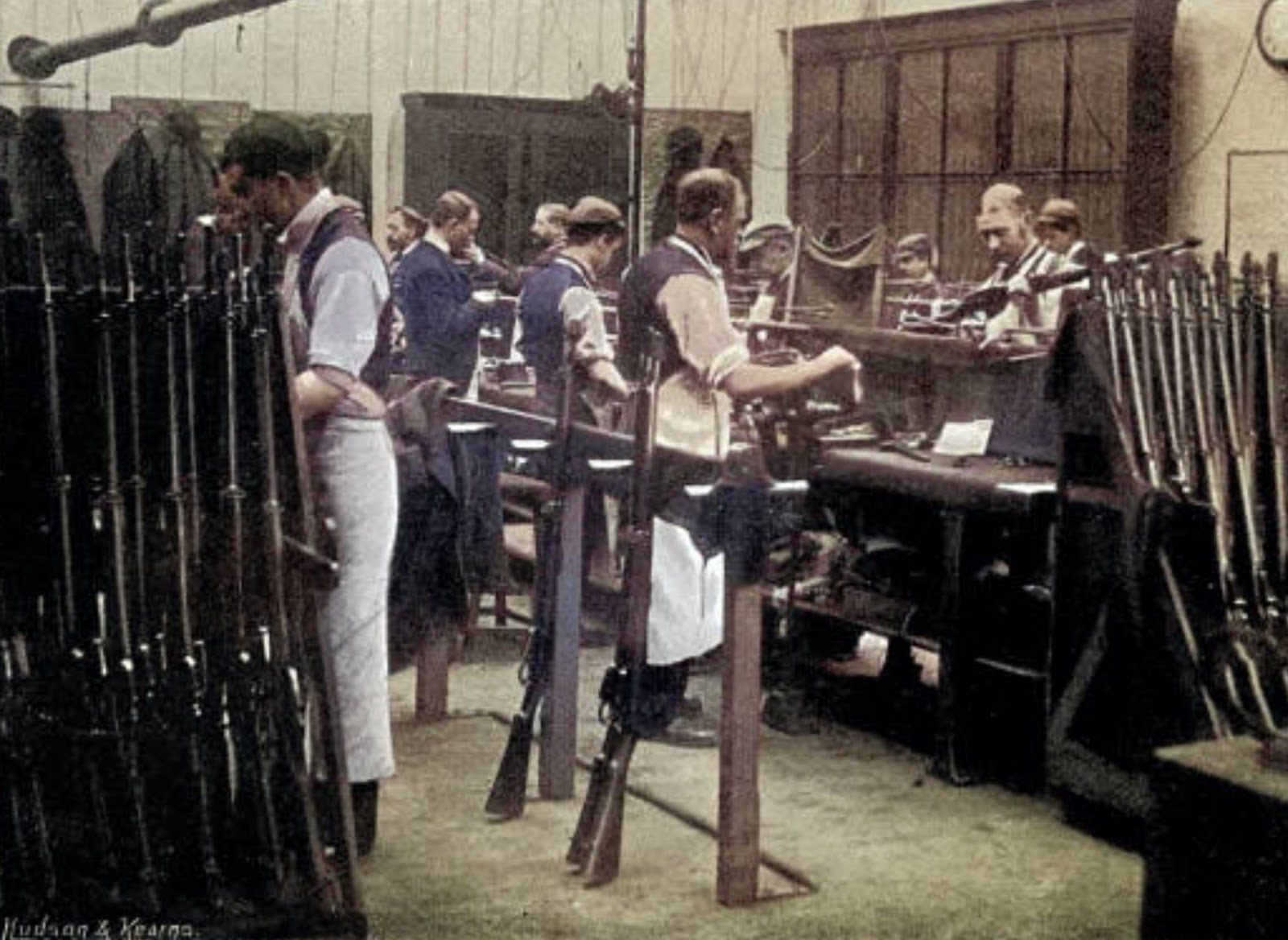
Nowadays, businesses in Birmingham and the entire region are also striving for global growth in exports, especially since there is plenty to trade. In this context, it is gratifying that local authorities are also planning to follow this doctrine. The Mayor of the West Midlands, Richard Parker, joined small businesses from across the region at a retreat in Birmingham in May. The Mayor was keen to help people take advantage of the recent trade deals that have been signed with India, the US, and other export partners.
This example shows that economic growth is one of the mayor’s priorities. A roadshow on ‘Made in the UK – Selling to the World’ was held, which points to targeted government support to attract as many SMEs as possible to export to the advanced manufacturing sector. The aim of the measures is to target support to the sectors with the greatest potential to create jobs, increase productivity and grow the economy.
Jerelas: