

The Holt Brewery Co. Ltd was historically located at 72–79 Holt Street, Gosta Green in Birmingham. From the outset, it was known as Fulford’s Brewery. The brewery is no longer in operation, but the original building still stands and is used as a pub called Gosta Green. For more details about the work and owners of the Birmingham brewery, visit birmingham1.com.
About brewing in Birmingham, as such
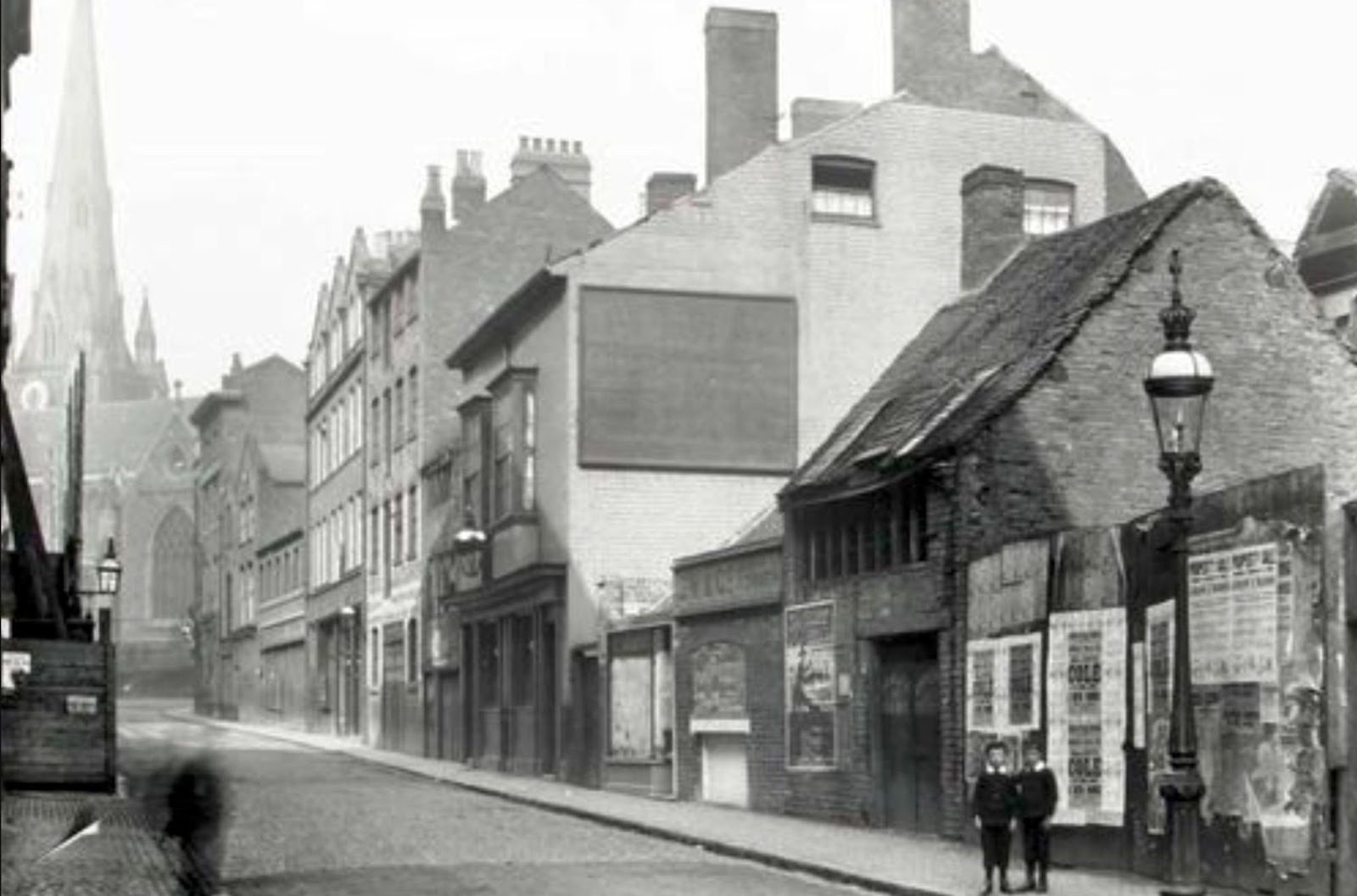
It should be noted that the Birmingham brewery The Holt Brewery Company Limited had 250 pubs in the city at that time, so the brewery not only helped to compile this list, but also sent it to its establishments for implementation.
Brewing originated as an everyday household activity necessary to produce a beverage that was a staple for most people. In the Middle Ages, brewing on a large scale was carried out in monasteries. Later, colleges and large country houses brewed beer for their own consumption. At home, water was heated over an open fire in a hut, and beer was brewed in the kitchen, but around the 16th century, the first breweries appeared, which later became commonplace.
By the eighteenth century, more formal, purpose-built breweries had become an integral part of offices, usually located in large houses in the countryside. Suburban home breweries continued to be built in the mid-nineteenth century, and this type of brewing became the mainstream brewing method, migrating into the twentieth century.
Speaking of brewing in the twentieth century, it should be noted that at the very beginning of the century, in 1902, an event occurred that almost destroyed the industry, not only in Birmingham but throughout the UK. It was the Licensing Act passed by the government, which some people directly call Prohibition.
Although this law was adopted with the best of intentions – to combat drunkenness. As early as 1899, due to widespread concern about this issue, Arthur Wellesley Peel or First Viscount Peel was appointed chairman of the Royal Commission. The new body aimed to reduce the number of pubs, which, in their view, was to be the first effective step in the fight for sobriety.
This was not the first and, accordingly, not the only attempt to fight the “green snake”. However, the impotence of many legislative acts was quite exhaustively demonstrated in the Beer Law of 1854. This law, which preceded the Licensing Law, in short, restricted the operation of beer establishments on Sundays. It did not stop drunkenness, but it was quickly repealed due to riots.
Under the new law, the license for groceries to sell alcoholic beverages was cited as the reason for the doubling of middle-class women’s deaths due to alcohol consumption. It was also noted that over the past 20 years, the number of outlets selling beer had doubled from 5,000 to 10,000.
One of the results of the Law was an attempt by local authorities to limit alcohol consumption. The Birmingham Watch Committee drew up the so-called “Black List”, which banned habitual drunkards from entering pubs.
Brewery The Holt

Rumour has it that The Holt Brewery was founded specifically to acquire Henry Fulford Brewery. Whatever the case, the company did pursue an aggressive acquisition policy, acquiring Griggs and Brettell Ltd in 1912 and Myatts of Wolverhampton in 1927. These were the first and last breweries to be acquired, with many more in between.
In other words, the acquisition policy continued until the late 1920s. The last acquired companies, by the way, were based in Wolverhampton. But, like any aggressor, The Holt paid the price for its activities, being taken over by Ansells Brewery Ltd in 1934. But first things first.
The history of The Holt Company is a story of poverty to riches, of wealth and success to losses and misfortunes. In 1818, Birmingham’s earliest registered brewer worked as a grocer in Deritend, the city’s rapidly developing market center.
That’s right, John Fulford and Joseph Fulford, father and son, started out as brewers around 1841, becoming the owners of the first Fulford brewery, called The Minerva on Mott Street. The dynasty did not end with these two, as John’s brother, Richard Fulford, together with his son Henry Charles, also opened a brewery in 1848, but on Holt Street. After that, a quarter of a century later, he founded a second brewery on the same street.
Later, one of his sons renamed the brewery The Holt Brewery after his father’s death in 1887. That’s how it all began. Over its 60-year history, The Holt Brewery has acquired more than 250 pubs in Birmingham and produced about three million pints of pale ale a week.
Moreover, it was the Fulfords who became the owners of a brewery in Manchester in 1884, opening the Empress Brewery there. This happened around the same time and just before the Fulford brewery was renamed The Holt Brewery. William Henry Fulford was the son of Joseph Fulford, the founder of the brewing family who brewed beer at the first brewery, The Minerva. William moved from Birmingham to Manchester after the bankruptcy in 1860. The experience he gained in Birmingham proved to be useful. The Empress Brewery is known to have had 236 associated pubs in Manchester.
Fulford’s political career
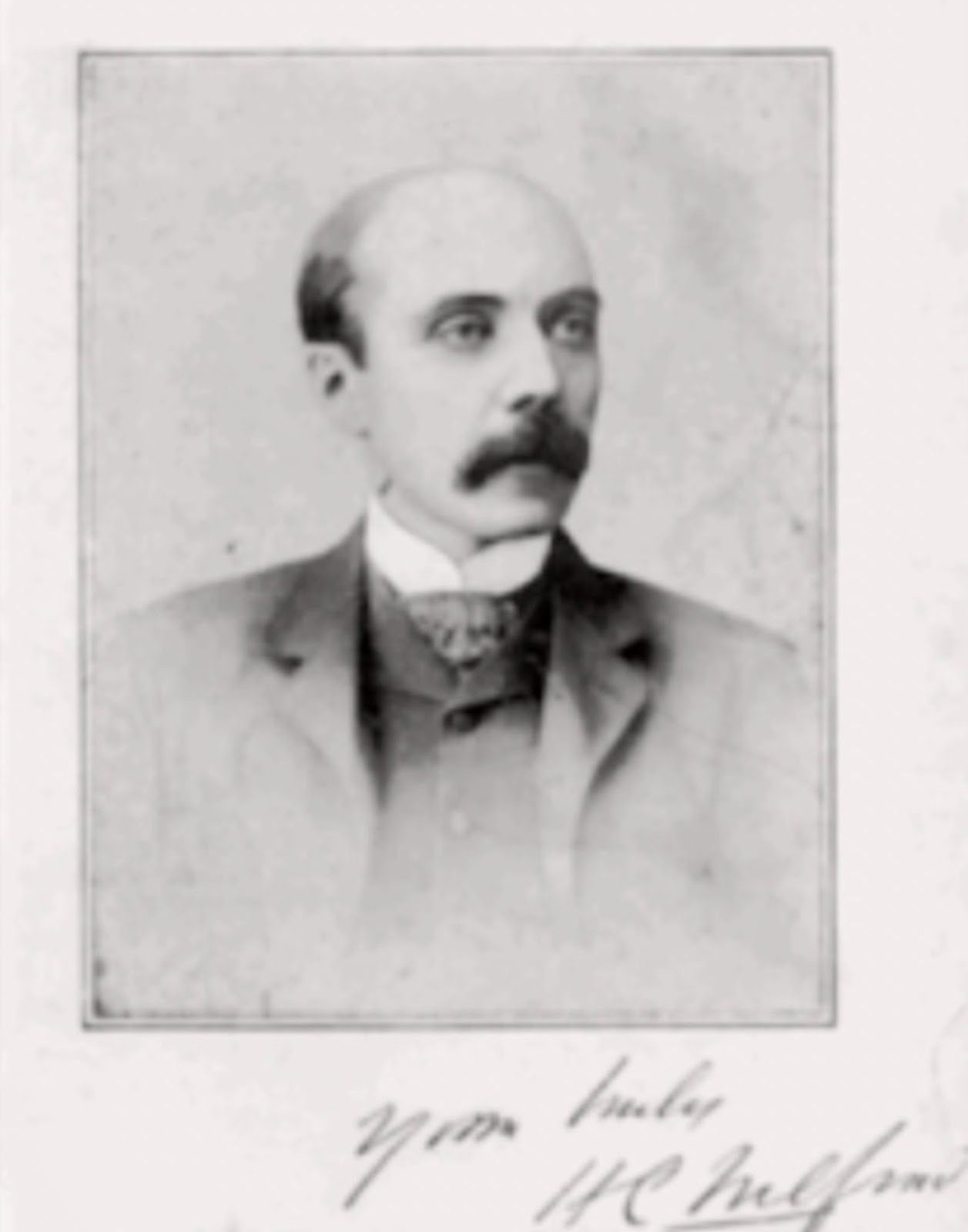
After his father’s death, Henry Charles Fulford continued to run the business with his son-in-law Walter Hodgkinson, and he remained in his position as manager of The Holt Brewery. He also began his political career, choosing the path of a liberal politician. Which was not surprising, given the times of great change and social reform in Birmingham when he lived.
Unfortunately, his career came to an untimely end in 1897, at the age of just 48. Henry died of tuberculosis in Cairo, Egypt. Although Fulford had spent a lot of his own money trying to establish himself in parliament, he left a huge fortune to his widow at the time of his death.
Henry Fulford’s daughter, Catherine, managed to build a political career. She was an alderman and conservative politician who received the highest awards for her work. For example, in 1920, she was awarded the Order of the British Empire for her role as an honorary member and secretary of the Fulham Local Military Pensions Sub-Committee.
His son-in-law, Walter Hodgkinson, continued to run The Holt Brewery after Henry’s death and until it was taken over by Ansells Brewery Ltd in 1934. The Holt Brewery continued to brew beer until 1974, but under the new management of Ansells. Walter Hodgkinson died in 1935.
Pub Gosta Green
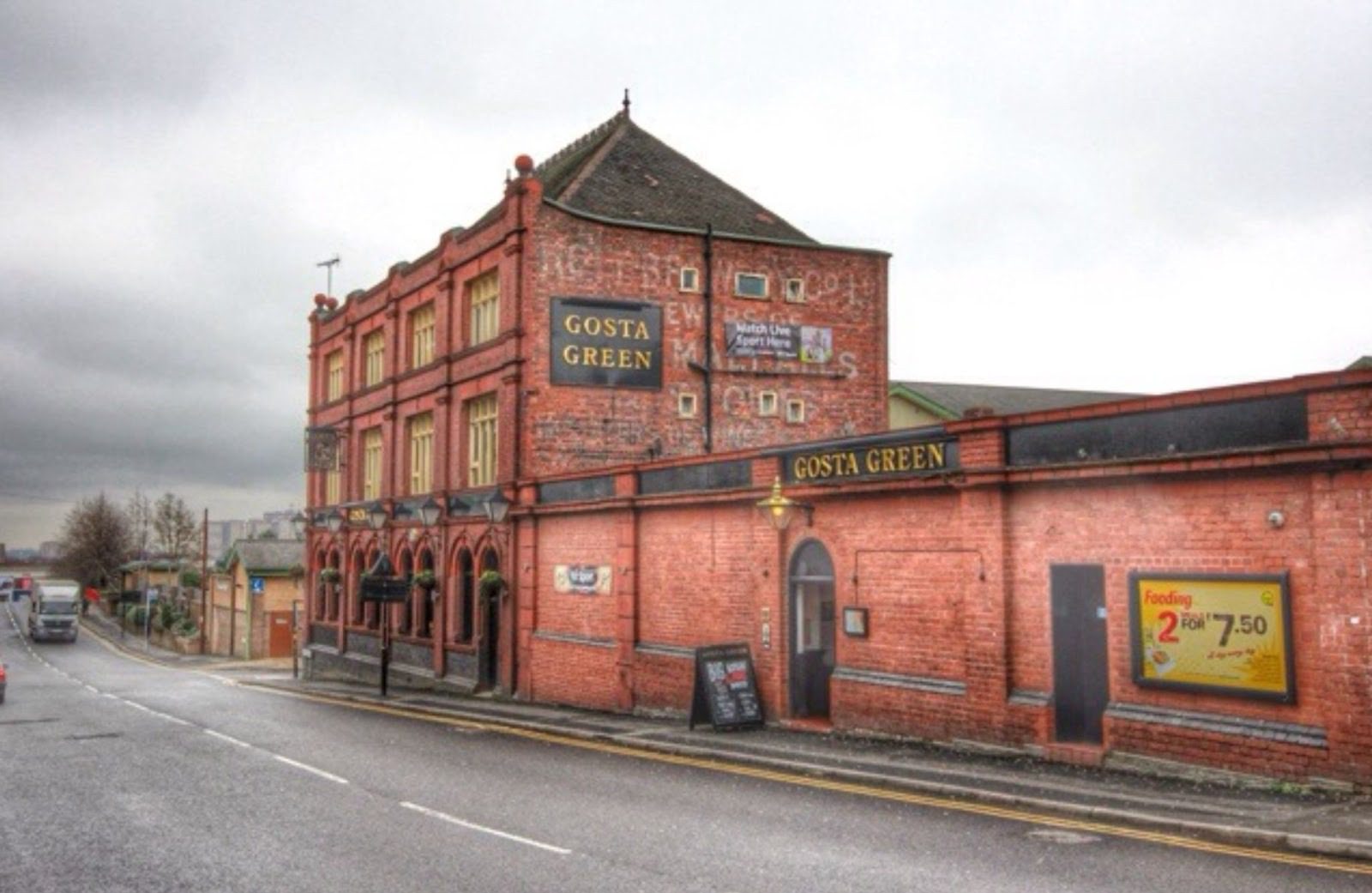
The original building of The Holt Brewery still stands, retaining its ancient historical features. Some of the pubs that belonged to the brewery are still in operation and have signs reflecting the history of The Holt Brewery. The brewery itself is no longer in operation, but its original building, which was originally an office space, has been converted into a pub called Gosta Green, which is still in operation today. This pub has a microbrewery called Faculty&Firkin.
The Holt Brewery was prolific throughout the Victorian era, and one measure of its quality was the 250 pubs that were associated with it in one way or another and over 300 retail outlets in Birmingham and the Midlands alone.
Sources: