

In the 19th century, Birmingham’s business development was driven by its growth as a global manufacturing center, earning it the nickname “the workshop of the world.” The city specialized in metal products and became a hub for thousands of crafts — from brass, jewelry, and weapons to various steel products — thanks to innovations, among which steam power played a leading role.
Birmingham’s labor force was concentrated in iron and steel production, and industrial growth led to the expansion of its territory with new factories and housing for workers. All this led to the unprecedented development of manufacturing businesses, where goods were not only resold, but also created and sold. But read more about this in detail at birmingham1.one.
The boom in industry and trade
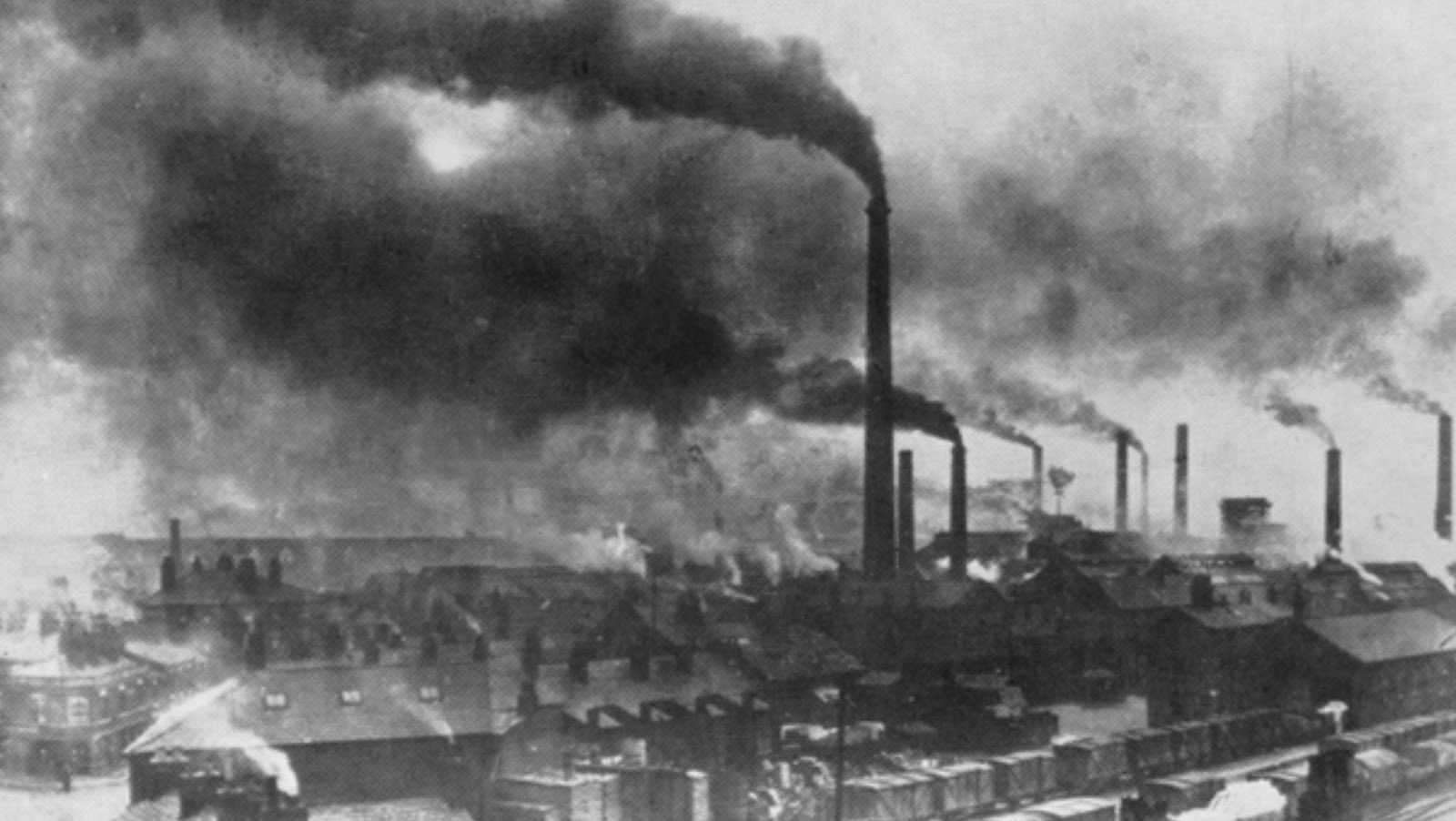
Industry and commerce boomed during the Victorian era. Thanks to the innovativeness of its entrepreneurs and the flexibility of its workforce, Birmingham became the City of a Thousand Trades, the Workshop of the World and, undoubtedly, Britain’s Second City: and has held this position ever since.
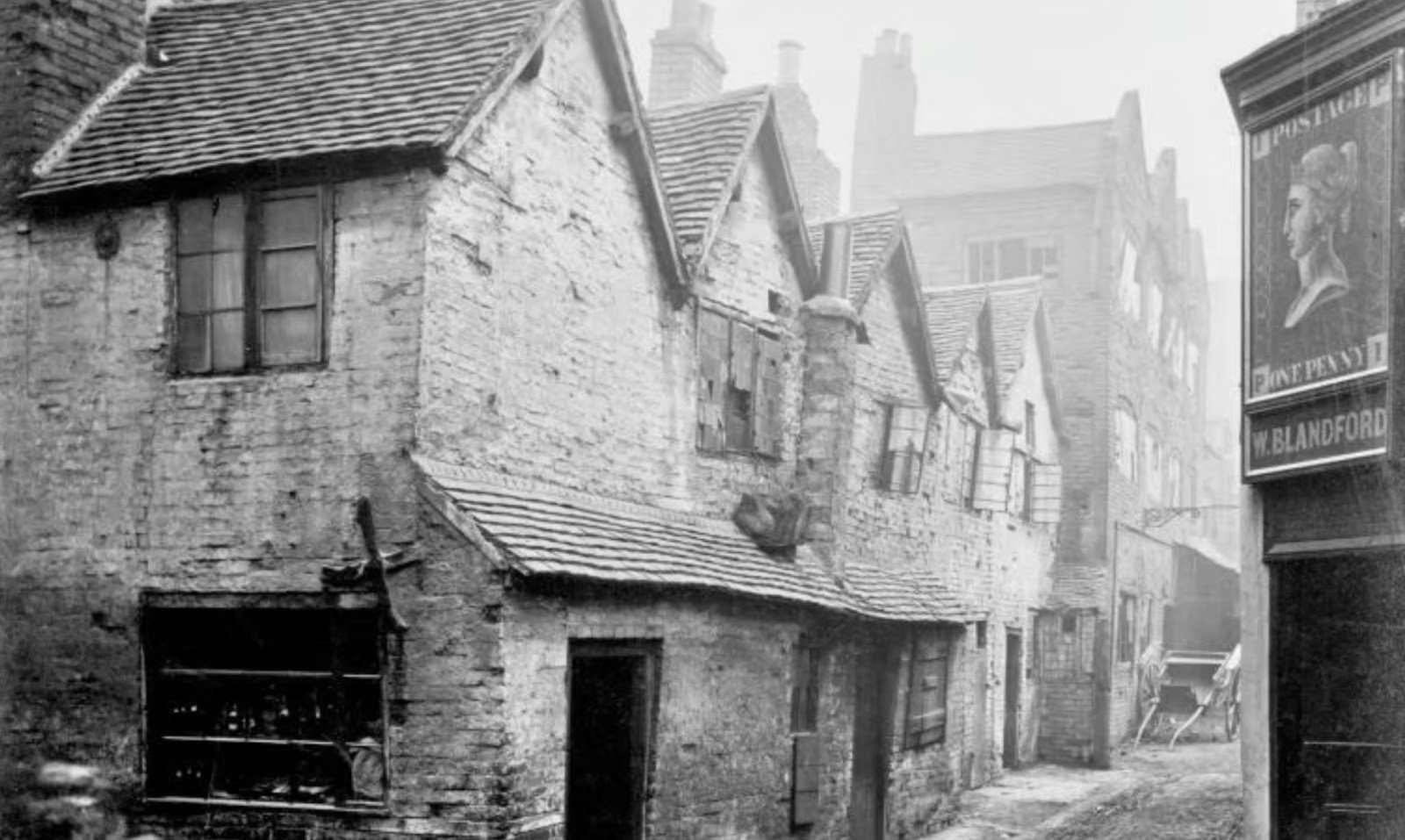
It is true, however, that due to the development of industrialization, the living conditions of many Birmingham residents have deteriorated. Especially housing conditions. The large Georgian town houses gave way to smaller middle-class dwellings, which were subsequently rented out or turned into housing for craftsmen and workers who needed to live close to work in the center.
The area within the modern inner ring road was almost completely built up and continued to grow until the end of the nineteenth century. At the same time, much of the middle ring remained rural, although housing for wealthy citizens developed around the old villages and new stations, as the railways provided access to the wider surrounding area.
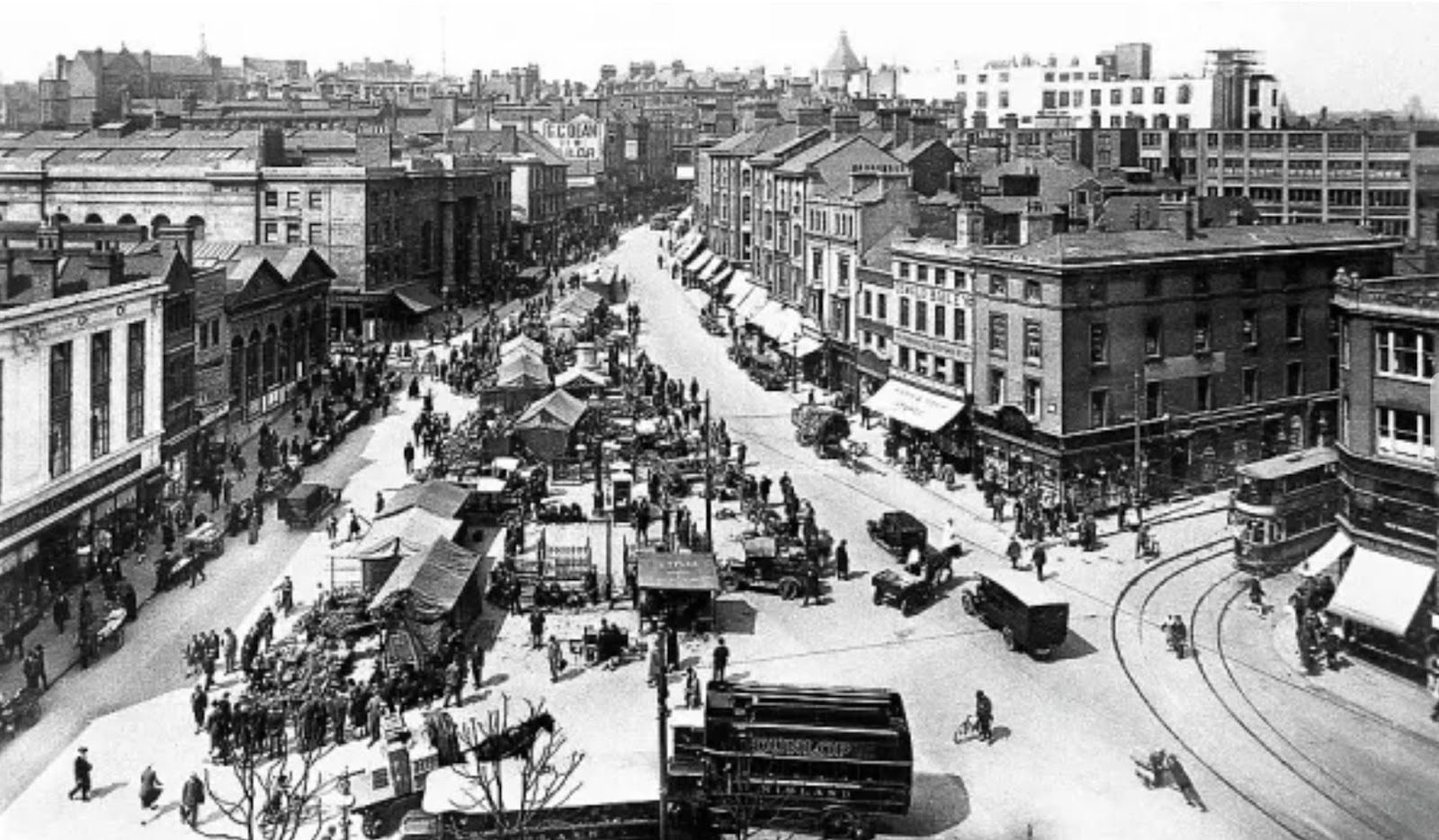
The key to Birmingham’s growth and prosperity was industry. It was its impact on the city’s inhabitants and appearance that impressed visitors, both then and now. The streets, once deserted, were full of life and bustle. From morning to evening, carts loaded with coal, lime and iron rods from the surrounding workshops were constantly moving along them. On market days, the streets turned into a whirlpool of trade.
Crowds of villagers peering into shop windows blocked the narrow sidewalks, risking bumping into handcarts. Ballad singers and blind beggars crowded every corner. There was a fight here, and the sound of slop being thrown at passers-by there. Children crowded near a baker’s cart with bread baskets, endangering careless passers-by. Piles of coal lay on the sidewalk, surrounded by the dirt and noise of the city.
Burly butchers and shrewd horse traders haggled with peasants around the flocks of sheep, pigs, and horses on New Street. In the Animal Market, there was fighting, shouting, and cattle running away from the High Street to the Dale End. Groups of loafers and ruffians crowded around the Welsh cross, shouting and throwing mud, rotten eggs, and disgusting garden rubbish at the unfortunate man at the shameful pillar. Men with fighting dogs on the corner often engaged in illegal fights.
Birmingham was a vibrant city with a lot of life going on, which showed that the city was developing and moving in the right direction.
The advent of the railroad
The advent of the railway in the nineteenth century had as much impact on Birmingham as the canals had in the previous century. The first stations were built on Curzon Street in Duddeston, just on the outskirts of the development, but the growth of traffic made this location very inconvenient, as the railway did not cover the center.
In the 1850s, the construction of the New Street and Snow Hill stations in the city center led to the demolition of numerous slums. The displaced residents often had no alternative housing, but this process started an outflow of people from the center that continued uncontrollably until the end of the 20th century.
This is how the so-called business district of Birmingham began to take shape. All of these processes began after the lease on the Colmore family’s New Hall estate ended in the 1870s. Some of these vacated areas became developed industrial zones with workshops and factories, followed by the unchanged slums. As the city grew, land in the center became more expensive, new leases were much more expensive, and many artisans moved to the current Jewelry District.
The reconstruction included mainly commercial and public buildings, which have survived to this day. This world-famous area of Birmingham deserves a separate mention. In the nineteenth century, the Jewelry Quarter became a center of industrial activity. Specially built factories began to appear here. All of this led to unprecedented discoveries that contributed to both the development of industry and the improvement of the business climate.
For example, it was in this area that electroplating was first used commercially in 1850. George Elkington patented the first commercial electroplating process, which allowed the addition of a thin layer of silver to a cheaper base metal, and in 1862, employee Alexander Parks created Parkesin, the first artificial plastic material, etc.
Bull Ring it was not the only market in Birmingham, but the authorities pursued a policy of concentrating trade here, so other markets were gradually closed or relocated. Eventually, Bull Ring became the center of retail trade, while Smithfield turned into a wholesale market area.
Throughout the 19th century, houses along High Street and New Street were converted or replaced by shops. When Birmingham became the metropolis of the Midlands, they were gradually replaced by offices, a trend that continued for over a century. However, even so, residential buildings, mostly of low quality, remained in the center.
Population growth in Birmingham
Any economic growth and improvement in business conditions leads to population growth. Like many cities in the nineteenth century, Birmingham grew rapidly. Most of the growth was driven by immigration from the surrounding counties, but people from the north of England, Wales, East Anglia and London also came to the city. The mortality rate was higher than the national average, but the birth rate was even higher.
The Jewish community has existed here since 1751. Thus, by 1851, Jews made up about 1% of the population, coming mainly from Germany, Poland, and Russia. Until the 1830s, Irish immigrants were rare, but after the famine of 1845, their number rose to 4 percent and continued to grow. By 1861, Birmingham had overtaken Manchester to become the third-largest city in the UK, and by 1881 it was the second largest, ahead of Liverpool.
Under the Municipal Corporations Act of 1835, Birmingham was granted the status of a municipal district in Warwickshire with an elected council.
The world’s first industrial city
As early as 1791, Birmingham was proclaimed the world’s first industrial city. Although production was scattered, Birmingham was at the center of the industrial revolution. At the beginning of the 19th century, its factories actively used steam power, but thousands of small workshops continued to operate manually.
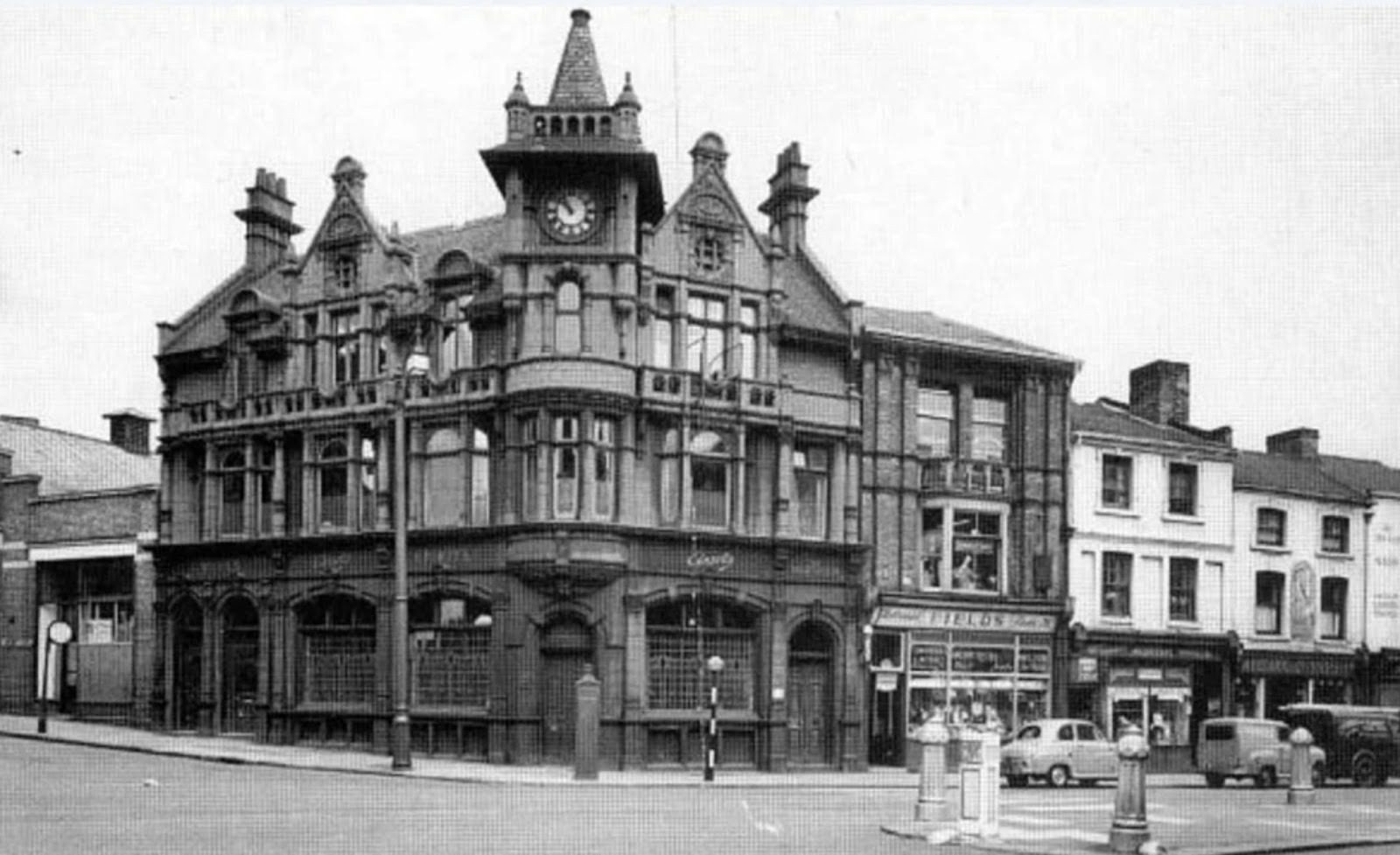
Everything was made here, from porcelain tableware to metal tongs, in line with the new tastes of the era. Workers spent their free time in the city’s old pubs, which served beer from five large local breweries. These were almost the best times for the development of local business.
Sources: