

The history of Birmingham’s grain business is one of transition from a small farming village to an industrial center, where grain trading developed from local markets to larger commercial operations, such as the Union Mill company, which was founded in 1812. Although Birmingham’s growth was driven by industry, the agricultural productivity of the surrounding region was vital, and trade was shaped by both local market forces and national policy.
In the context of the development of the grain business, the Grain Laws were of paramount importance. Ultimately, the mill integrated into larger trading networks, and its own commercial enterprises became part of a broader grain market that supplied the industrial population of Britain with products. But read more about this at birmingham1.one.
Shortage of grain and bread
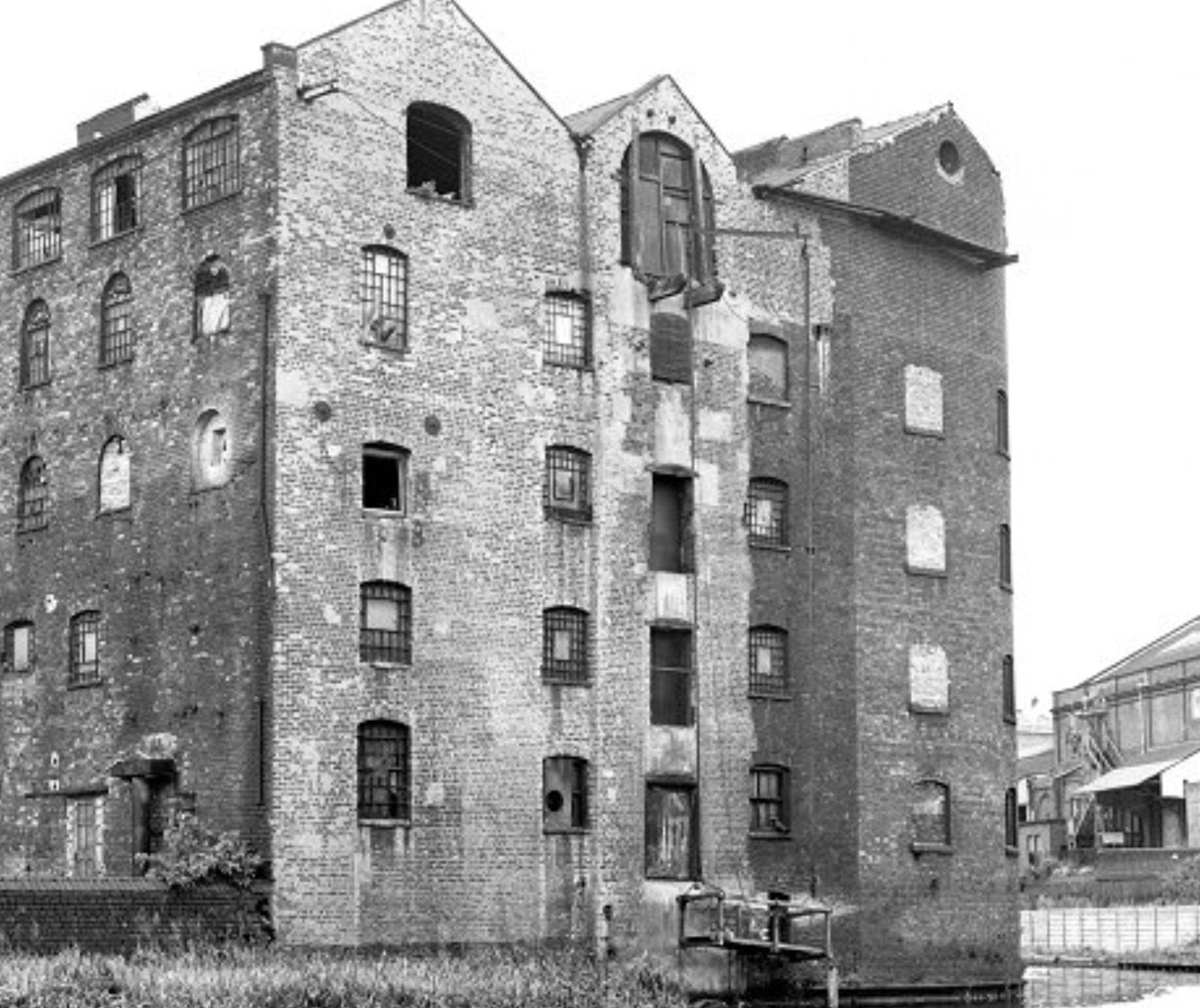
At the end of the 18th century, grain yields were very unstable. The situation deteriorated especially in the last decade and early years of the new century, when grain harvests were extremely poor. By the way, this problem was not confined to the UK, it was also true for most of Northern Europe.
It should be noted that bread was an important foodstuff in those days, so the shortage of grain and its subsequent rise in price, which almost tripled between 1790 and 1800, led to a major shortage. As is often the case in such situations, the crisis was particularly felt by the poor. It is known that in some cities there were collections for bread for the poor, with contributions to these collections made by wealthier members of society.
All this inevitably led to riots that broke out across the country. The main demand of the protesters was a reduction in the price of grain and, accordingly, bread. For example, in the fall of 1800, protests accompanied by riots took place in Walsall and Wolverhampton. The protests were so massive that the authorities were only able to bring them under control with the help of the Walsall volunteer forces.
At this time, several friendly societies set up flour clubs, which became a kind of cooperative retailer, as well as workers’ associations to purchase wheat and grind it at an affordable price for members who paid a fee. In order to somehow solve the problem and minimise costs, some larger associations began to rent or even build their own mills.
As the grain shortage grew, consumer cooperative production schemes were more and more determined to raise equity capital to finance the construction of mills to produce maize flour on a large scale, and most importantly, at a cost-effective price. These projects were often sponsored by local philanthropists with donations. They became known as “Union Milling Societies”, which initially used windmills. However, it soon became clear that they were not suitable for large-scale production.
Inventive engineers came to the rescue. In the 1780s, Boulton and Watt created a successful experimental steam corn mill. They tested its capabilities in Soho. The tests were carried out in a hurry, and as a result, a number of steam mills appeared very soon. One of the first was the Union Mill, which had been operated by the Birmingham Bakery and Flour Company since 1796.
Flour milling company
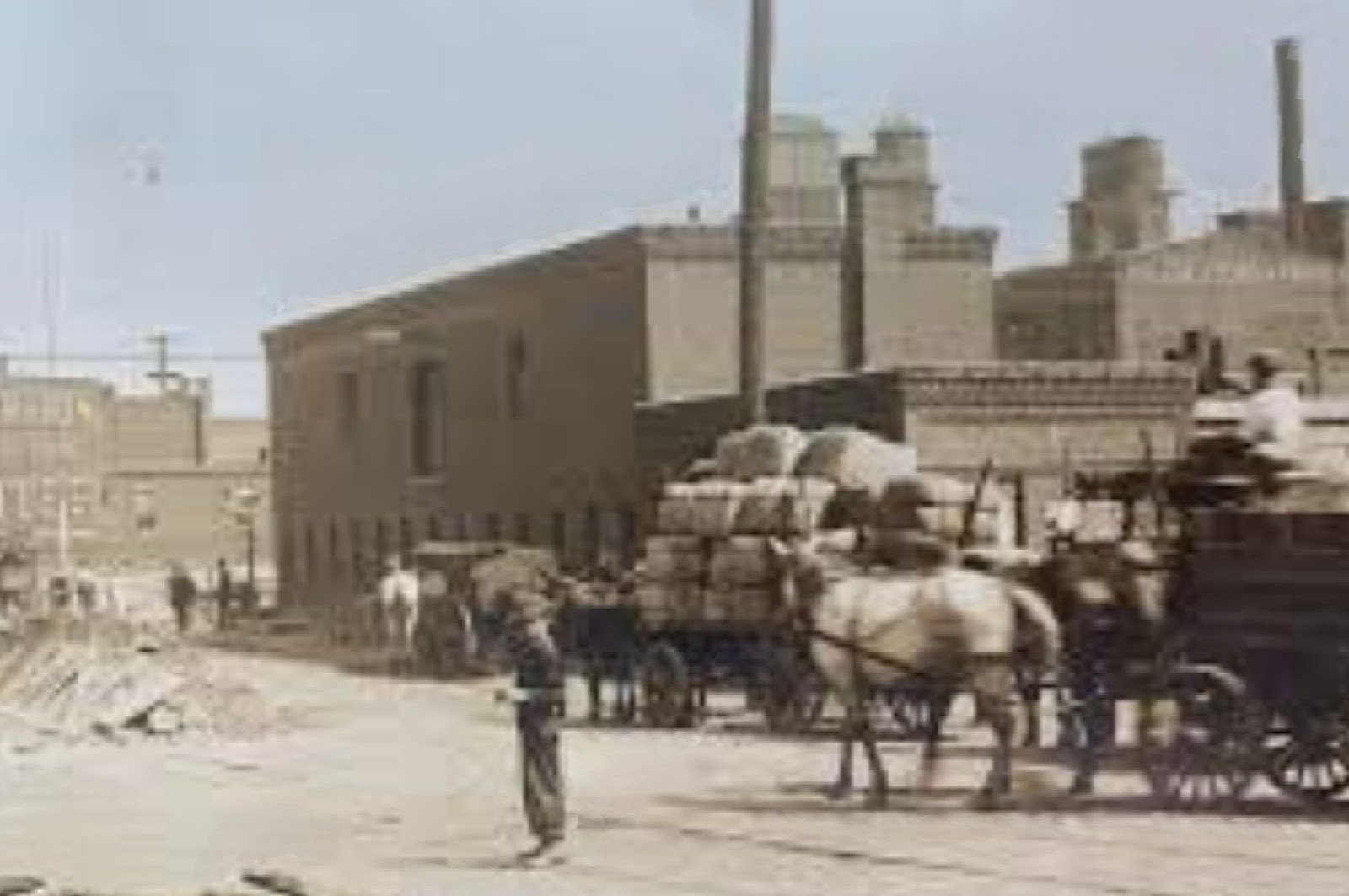
This first successful venture in Birmingham led to the creation of the Wolverhampton Flour and Bread Company. As part of this project, construction began on the Union steam mill. The work began in August 1812, when promoters offered everyone to buy shares worth £1. The organizers planned to raise £10,000 of capital. Over time, they raised even more: £15 thousand.
In addition, they provided for the possibility that shares could be purchased in installments. There was also an upper limit on the number of shares that one shareholder could own.
The construction of a steam mill was an expensive “pleasure” that required a significant amount of share capital. The Union Mill had 5 pairs of stones, four of which milled flour and the fifth processed it. There were also 8 ovens for baking bread. Initially, £9,273 was raised in six months, and the construction of the Union Mill buildings alone cost £6,673.
First flour
In early 1813, flour production began, and bread baking was started before the end of the year. Initially, three ovens were used for this purpose. About 500 bushels of flour were produced every seven days, which made it possible to bake up to 770 loaves of bread. The company’s shareholders could resell both bread and flour at a profit, and about 50 shops in the area were supplied with the product.
The flour was then sold to the shareholders at a cost price that was significantly lower than that of the general public. Subscribers received a discount of 4 pence per bushel of flour and 6 pence for every 20 loaves of bread. Bread was sold to the public at 9.5 pence per loaf, which was 2 pence cheaper than other local bakers. These measures led to dissatisfaction among competitive bakeries and milling companies. They felt that the scheme was a threat to their business.
As a result, the bakers and millers banded together and brought an indictment against Benjamin Mander and the Union Mill Committee. They were accused of unlawful association, claiming that the scheme, which was supposed to bring great public benefit and lower food prices, was not fit for business.
The case was heard in the summer of 1814 at Stafford Court, with Sir Robert Dallas as judge and a special jury. It is known that the trial lasted 14 hours, and the day before there were rumors that Benjamin Mander might even be hanged, and the committee members sentenced to 7 years in prison if found guilty, but the trial ended in acquittal. When the news became public, church bells rang and celebrations began.
The modern history of the mill
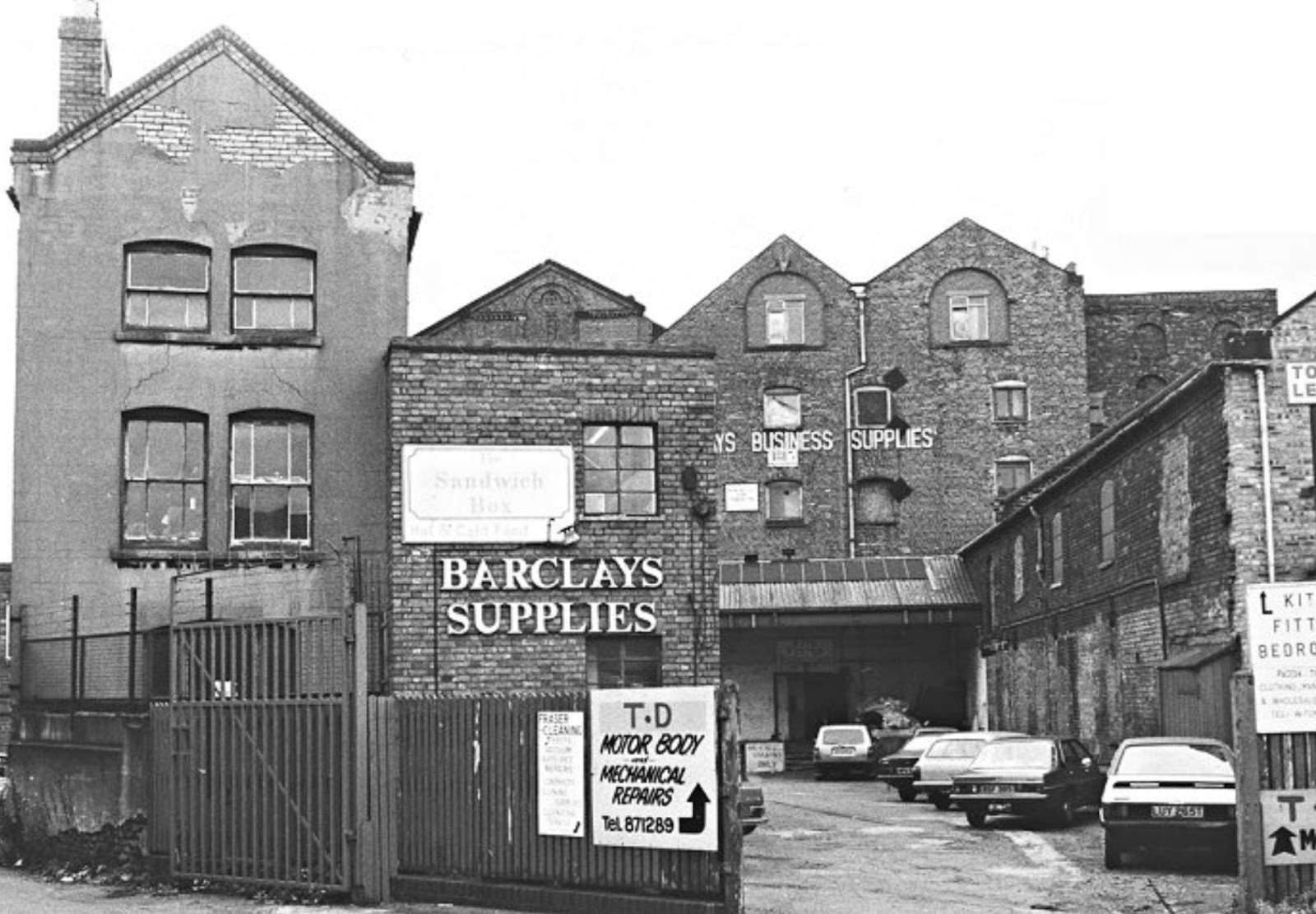
Until about 1914, when the First World War broke out, the mill was run by the Union Mill Company. In the second half of the twentieth century, namely in the mid-1980s, part of the mill building was in a state of disrepair. As a result, the old mill was purchased by the Wolverhampton City Council for a price of £110 thousand. The mill had previously been divided into several companies: Barclays Business Supplies, Kite Fitted Bedrooms, TD Motors, Fraser Cleaning and The Sandwich Box.
In the spring of 1988, Wolverhampton City Council, as the owner of the premises, decided to demolish the building, which had a nominal value of £50,000 at the time, to free up land. The owner’s decision was driven by economic expediency. It was estimated that the conversion of the buildings would cost around £1.2 million, which was considered too expensive.
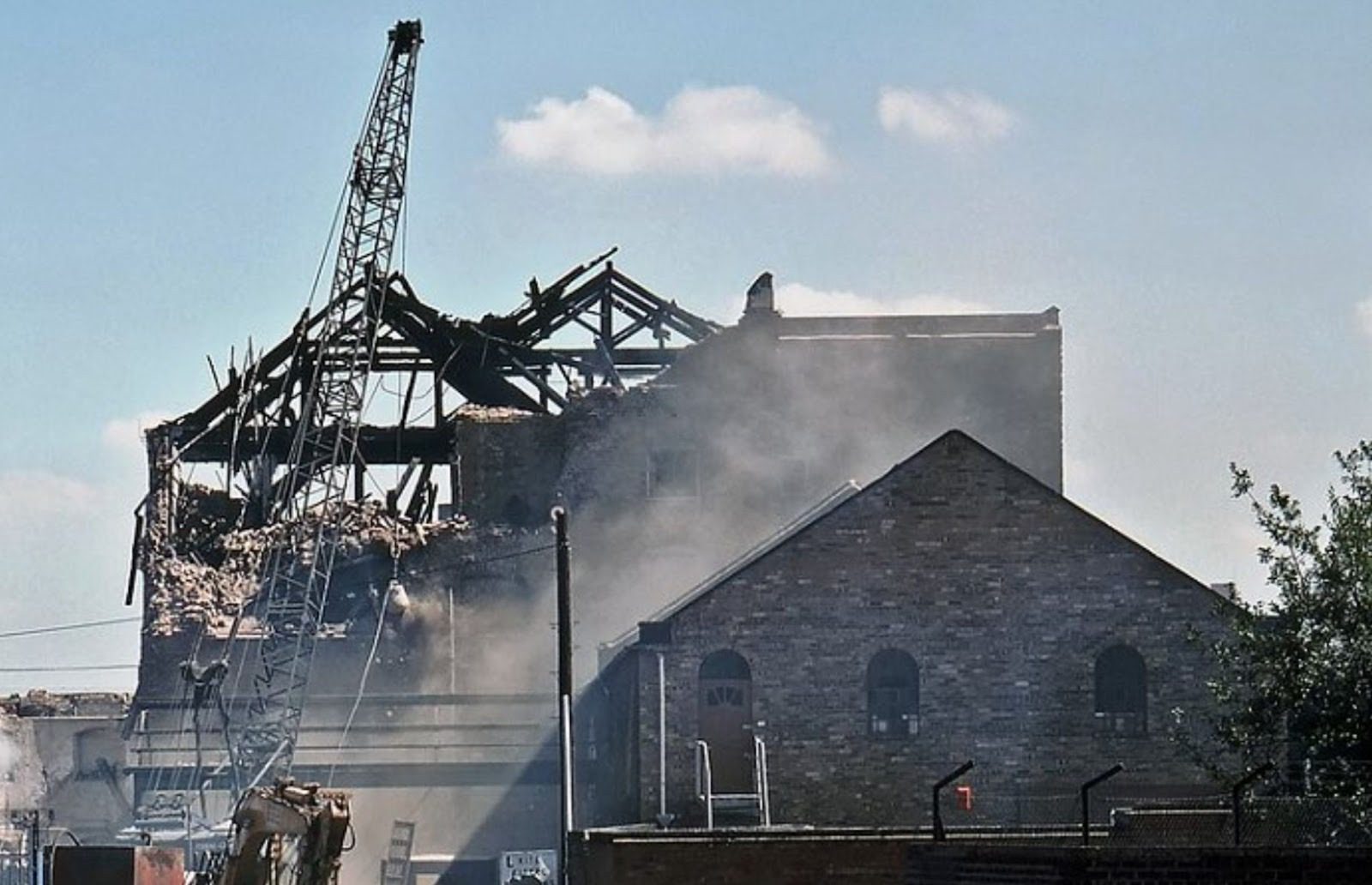
In the end, the mill’s fate was sealed by a large fire in 1989 that destroyed most of the top floor, and it was decided to demolish it. So by early August 1989, most of the building was demolished. Instead, the two rear buildings of the mill, which have remained intact to this day, can still be seen. They are located at the end of Union Mill Street.
Sources: