

The story of Cadbury, the world-renowned chocolate company, began with a father and his two sons. It’s a tale of how their generosity inspired generations, from pouring an extra “half glass” of milk into their Dairy Milk recipe to uplifting their employees and community. This company has always put people first, focusing on their problems, hardships, and troubles, and they believe it couldn’t be any other way. It all started in a humble grocery store, where cocoa and drinking chocolate were prepared right on the premises using a mortar and pestle. You can read more about the Cadbury family’s sweets at birmingham1.one.
West Midlands Confectionery Capital
The West Midlands is steeped in history, literally surrounding the residents and visitors of Birmingham. You’ll find ancient canals in the city center, majestic old houses dotting the countryside, and countless remnants of the 19th-century Industrial Revolution that transformed this city into a global workshop. But beyond its industrial past, the West Midlands also boasts a very sweet history, specifically concerning the confectionery delights created and perfected right here.
In fact, the West Midlands was spoiled for choice when it came to sweets. Consider this: West Bromwich offered locals Sela, Halesowen had Bluebird Toffee, Dudley gave us Teddy Grays, and finally, Birmingham City Centre, and later Bournville, brought us Cadbury’s. All these treats played a significant role in making Birmingham one of the tastiest cities not just in the UK, but across the globe.
Among the first to enter the city’s confectionery market was Cadbury’s. Founded in 1824, it’s the oldest among these sweet players. As the 19th century progressed and West Midlands residents developed a fondness for sweets, more confectioneries opened their doors. At that time, four major companies offered their products: West Bromwich, Halesowen, Dudley, and, of course, Birmingham City Centre with Cadbury.
What’s more, all four of these companies continued producing sweets throughout the 20th century, cultivating generations of loyal fans. Many across the UK would visit local confectioneries, buying two ounces of candies. In those days, friendships blossomed over a bag of sweets, and love often began with the gift of a box of chocolates.
And here’s the most interesting part: the West Midlands confectionery companies have successfully stood the test of time. Today, if you travel by train through Bournville, you’ll notice the railway station is painted purple, not its usual green. This purple hue is a tribute to the legacy of Cadbury Dairy Milk, whose products are manufactured at the Bournville factory, located right behind the train station.
The Start of a Sweet Dream
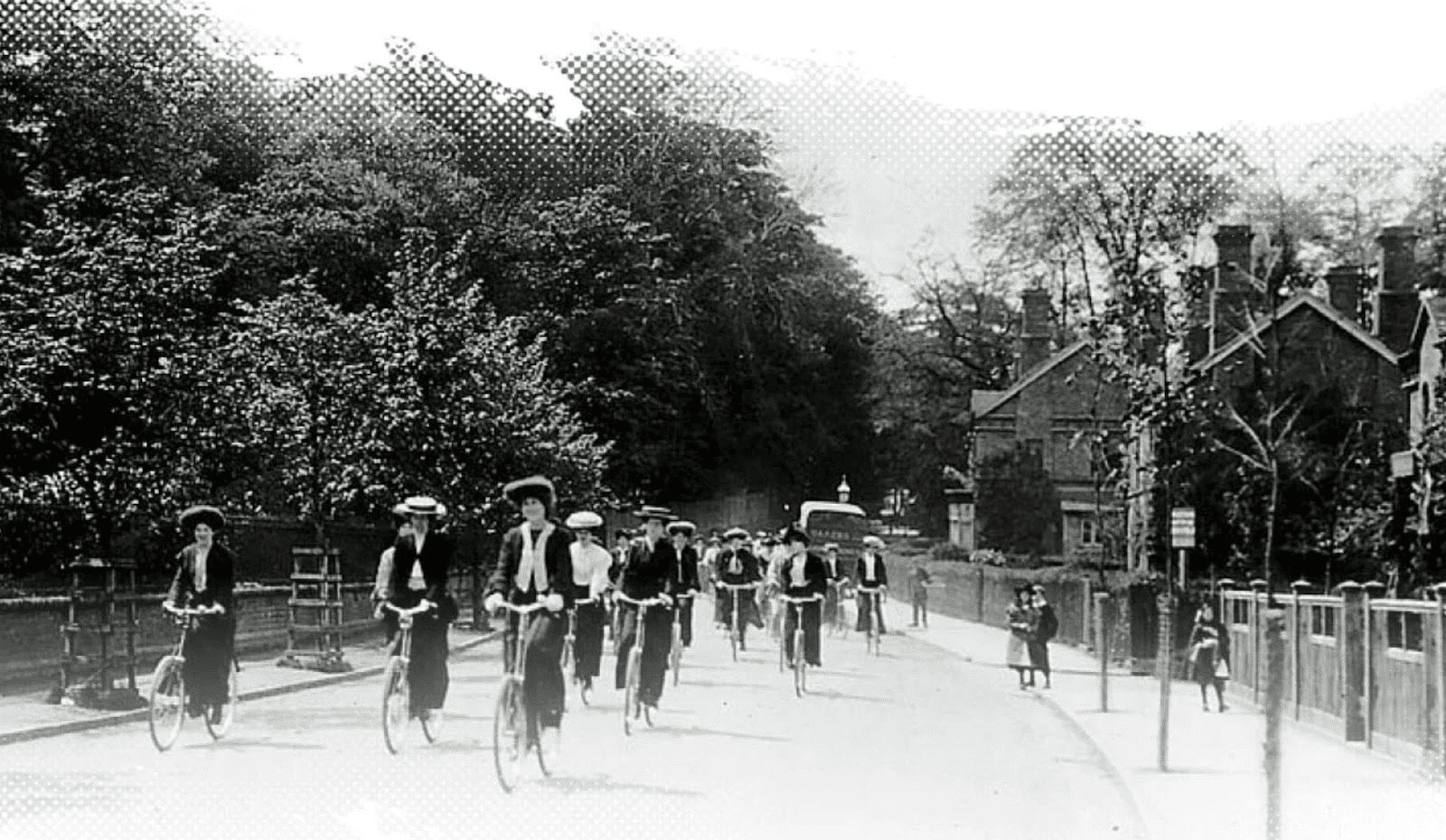
It all began in 1826. The Cadbury family was concerned about the well-being of Birmingham’s residents, particularly the excessive alcohol consumption among “Brummies.” This prompted John Cadbury to create a world-renowned hot chocolate beverage. But first, in 1824, John opened a grocery store on Bull Street in Birmingham. Among his grocery items, he sold cocoa and drinking chocolate, which he prepared himself using a mortar and pestle.
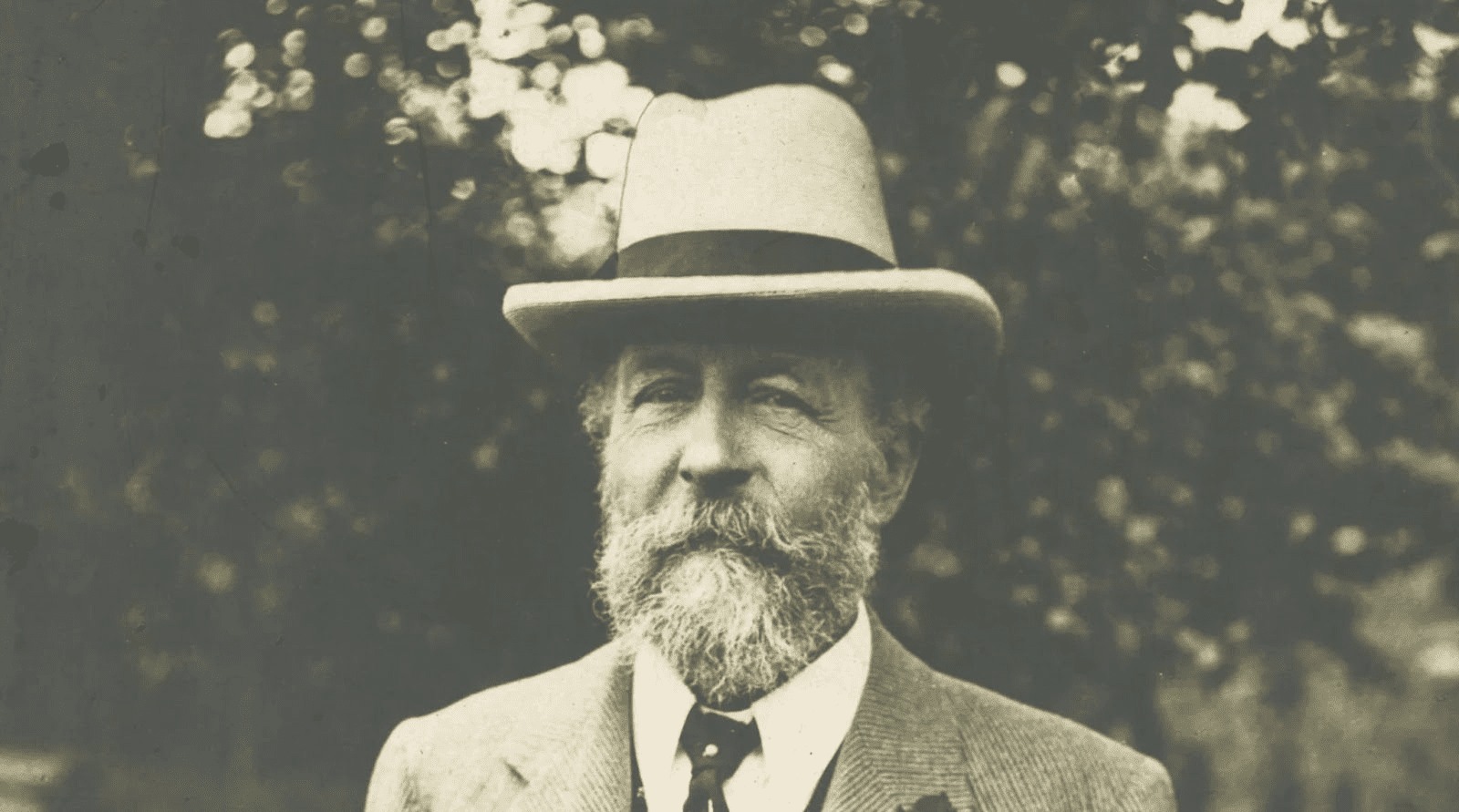
In 1831, John purchased a nearby warehouse and started manufacturing with the help of his sons, George and Richard Cadbury. Soon after, in 1847, they moved to a larger factory on Bridge Street. John Cadbury came from a wealthy Quaker family, so opening a store wasn’t a major challenge for him, especially with his sons’ assistance.
However, there was another problem. At that time, cocoa was made with a large amount of cocoa butter, which had a rather awful taste. To mask this, starch was added to the cocoa. This is what the Cadbury company did. George Cadbury, one of John’s sons, learned about an innovative cocoa press that was being used successfully to make cocoa in the Netherlands. The Dutch manufacturer, van Houten, used a machine that pressed so much cocoa butter out of the beans that there was no need to add starch.
By using this cocoa press, George and Richard discovered they could make their cocoa 100% pure, free from any additives that concealed the taste of cocoa butter. At that time, other chocolate manufacturers filled their cocoa with animal fat, red lead, and even brick dust, which made starch seem like a perfectly normal option.
The Miraculous Press
Instead of trying to figure out what to add to cocoa butter, the Cadbury brothers focused on producing unequivocally pure cocoa. In 1866, they succeeded, releasing Cadbury Cocoa Essence, which they advertised as “Absolutely pure, therefore – the best.”
It’s worth noting that John Cadbury had already stepped away from the business by then. After falling ill in 1861, he entrusted the leadership to Richard and George Cadbury. Interestingly, the brothers were only in their 20s at the time, still young and inexperienced. Nevertheless, George was responsible for production, and Richard for sales. The business was so challenging that George dreamed of making a thousand pounds a year so he could retire a happy man.
But then, the miraculous press came into their lives. They weren’t afraid to invest in it, and they didn’t regret it. After this, in 1878, the brothers began searching for a location to build a new factory. By then, George had new ideas for developing the business he shared with his brother. He questioned why industrial areas were always associated with poverty and depression.
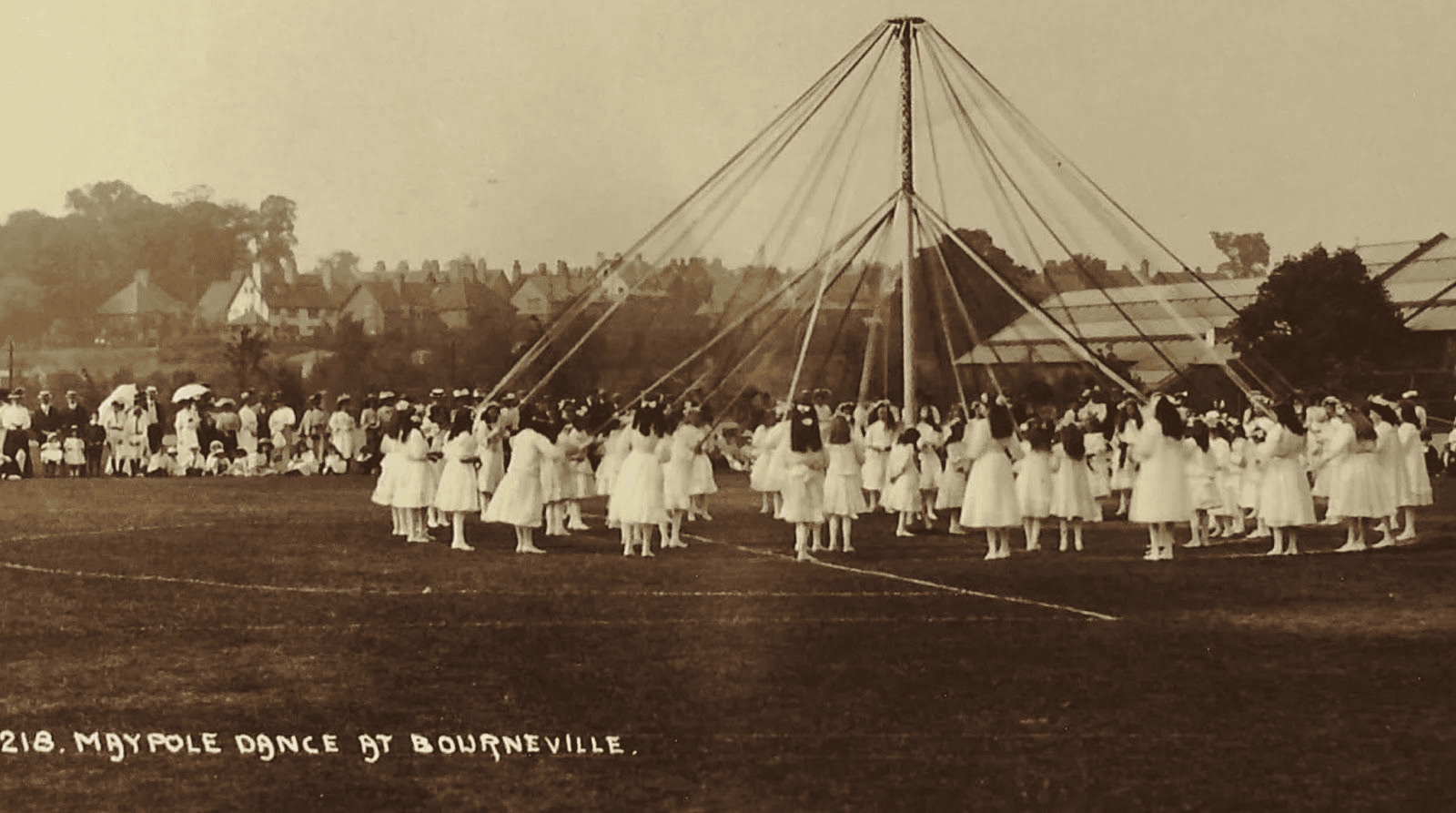
The Cadbury brothers found a new site for their enterprise south of Birmingham: 14.5 acres of land with a meadow, a cottage, and a stream that locals called “Bourn.” At their initiative, by adding the suffix “ville,” this place was transformed into Bournville. Bournville had excellent transportation links and opportunities for expansion.
George dreamed of building a place with endless green spaces where Cadbury employees could escape the crowded, dirty city and enjoy working in nature. The project for the new factory, along with houses for the workers, was created by Birmingham architect George H. Gadd. In January 1879, construction began on the factory and the first 16 homes for workers.
By 1897, Cadbury released its first edible milk chocolate, created by adding dried milk to cocoa solids, cocoa butter, and sugar. This allowed the Cadbury brothers to create Cadbury Dairy Milk eight years later, in 1905, to compete with leading Swiss milk chocolate brands.
The Heist of the Century
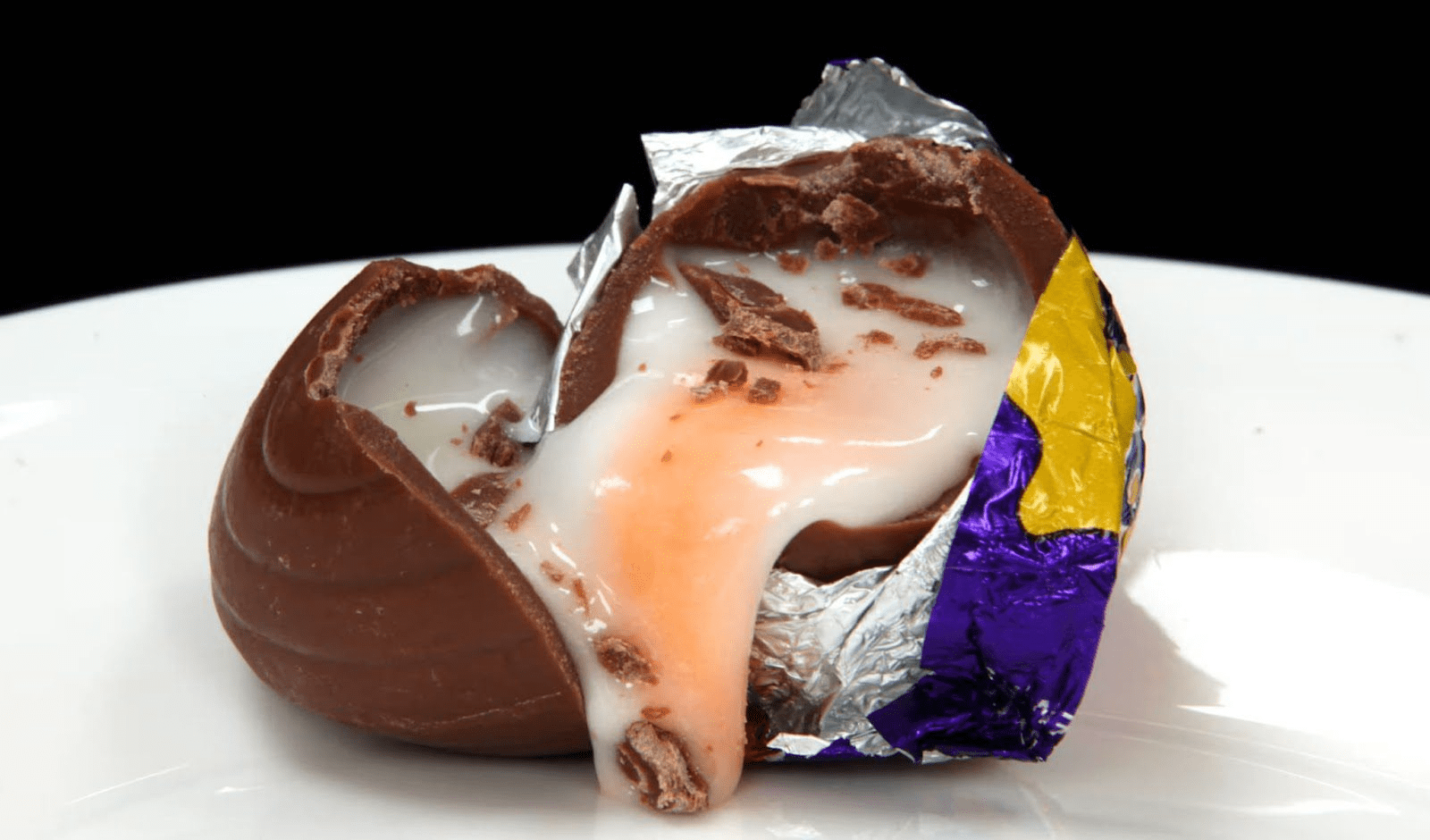
The popularity of Cadbury products today goes without saying. But one example is worth mentioning. In 2024, a man named Joby Poole stole, no less, an entire truckload of Easter chocolate eggs. To be precise, we’re talking about more than 200,000 treats, valued at over £32,000. The thief was even nicknamed “the Chocolate Bunny.”
This “Bunny” broke into an industrial premises in Telford and fled in a stolen truck filled with treats. Police stopped the man as he drove north on the M42, whereupon he raised his hands and surrendered to the cops. Now, the question is, what brand of treats did “the Easter Bunny” steal, and would he have stolen them if they weren’t, well, absolutely delicious?.