Cadbury confections sit at the pinnacle of flavor excellence and have become an integral part of the UK’s heritage. The company was founded almost 200 years ago in Birmingham, and its products have become some of the most popular in the world. Read more at birmingham1.one.
The Wholesome Beginnings of Cadbury
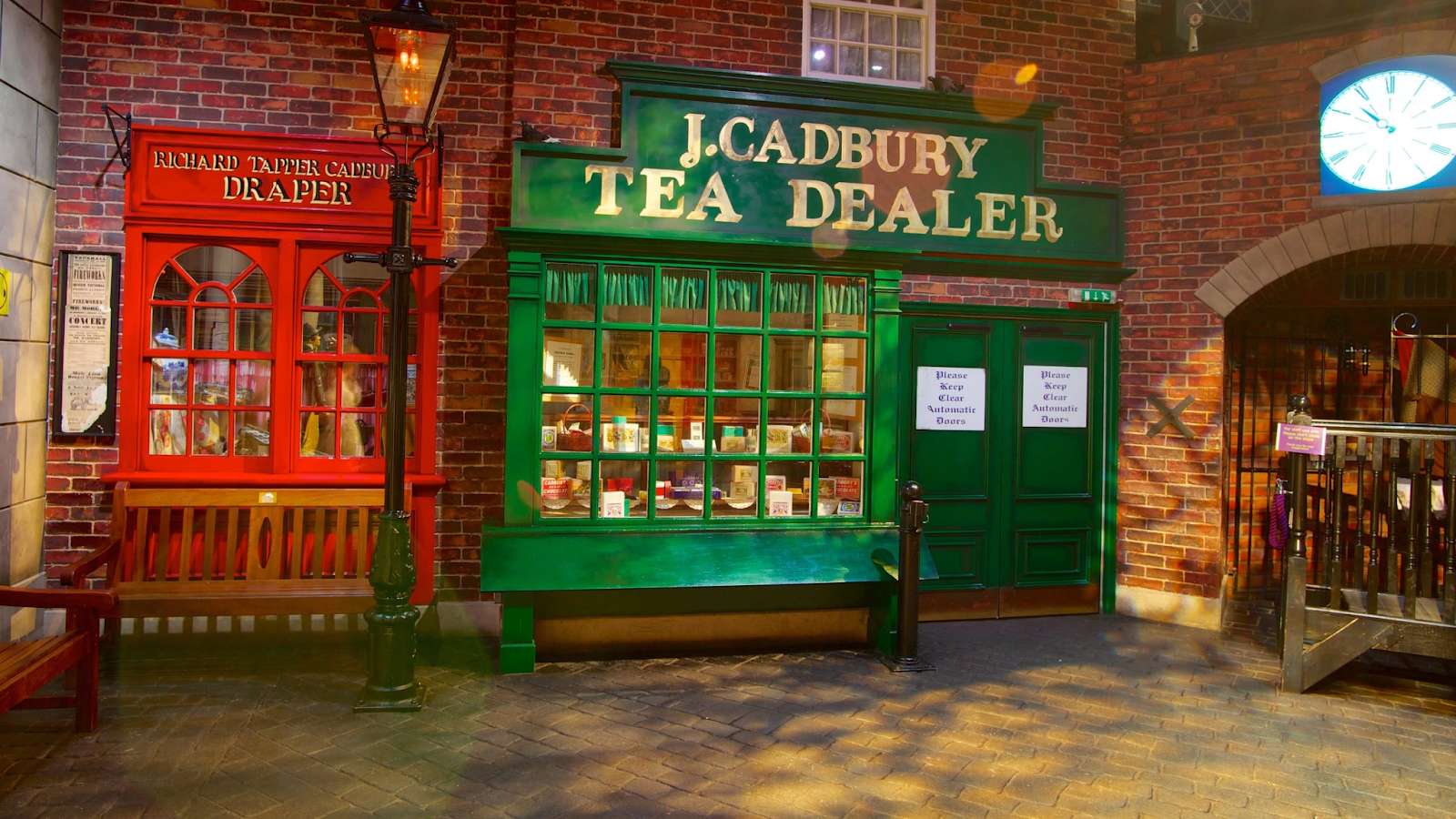
In 1824, John Cadbury opened a small shop in Birmingham, selling coffee, tea, and chocolate drinks.
John was only 22 years old and driven by noble intentions. As a member of the Religious Society of Friends, or a Quaker, the young man decided to create an establishment that would offer an alternative to bars and other places where alcoholic beverages were consumed. Quakers believed that drunkenness was a source of poverty and all human misfortunes, which needed to be countered. The young man believed that healthy and safe products could reduce alcohol consumption.
John Cadbury prepared the chocolate drink himself, personally grinding cocoa beans with a pestle and mortar. Although the shop didn’t attract many visitors initially, as the goods weren’t cheap, his business gradually gained popularity and began to turn a profit. One factor in his success was advertising. John regularly placed ads in local newspapers for his shop, urging people to visit. Another reason for its growing popularity was the appealing window display and sales clerks dressed in vibrant attire.
A Diversifying Product Line
Cocoa and chocolate drinks began to be consumed more frequently than coffee and tea. So, John Cadbury gradually transitioned to focusing solely on chocolate products. In 1831, he leased a malt house for storing and processing cocoa beans and began to diversify his menu by adding milk or spices. For example, by 1842, Cadbury’s shop offered 16 varieties of chocolate drinks, including “Spanish Chocolate,” “Iceland Moss,” “Chocolate of the Believer,” and others. In 1847, he had to acquire a larger factory space and bring his younger brother on board as a partner.
By the mid-19th century, the number of establishments selling chocolate drinks had significantly increased, and differentiation became crucial. So, in 1849, the brothers created the first eating chocolate, a departure from the “drinking chocolate” that revolutionized how it was consumed. They officially registered their chocolate-focused business as “Cadbury Brothers of Birmingham.” Their dedication and high-quality products led to the company becoming a supplier of cocoa and chocolate to Queen Victoria’s residence in 1854. By the late 1850s, however, the business began to lose its leading position, and the brothers dissolved their partnership.
New Leadership, Quality Standards, and a New Factory
In 1861, John Cadbury fell seriously ill and couldn’t continue running the business. He invited his sons to join the family enterprise. Richard and George were already working at their father’s factory, however, they lacked the experience to manage a large company. The first five years of running the business were quite challenging for the brothers, and they even considered changing professions. George, for instance, wanted to move to India and cultivate tea. However, as members of the Quaker society, they heeded the advice of its leaders to continue their father’s work.
In 1866, the brothers learned about a new press developed in the Netherlands for extracting butter from cocoa beans, which produced impeccably purified raw material. They immediately purchased it, giving the company a new impetus for development and coining the advertising slogan for their chocolate: “Absolutely Pure, Therefore the Best!”
In the latter half of the 19th century, unscrupulous entrepreneurs in the UK began producing counterfeit chocolate products, sparking parliamentary debates and the implementation of certain laws. Cadbury always performed its work flawlessly, and its purified cocoa became a benchmark for quality, elevating the company’s status, popularity, and profits.
In 1875, Cadbury began producing chocolate Easter eggs made from dark chocolate filled with sweet crushed almonds, which became a sales hit. They needed to find a new, larger factory location. The brothers decided to leave central Birmingham to build a factory-garden outside the city in the small settlement of Bournville. Additionally, it had a railway line, which would ensure timely delivery of goods, and a natural spring, which was crucial for the factory’s operations. By 1879, the company employed over 200 workers, and its grounds featured picnic areas, a cricket and football field, a canteen, a swimming pool, a first-aid station, including a dental office, and a school with craft workshops. Employees were also granted discounted train tickets. The workday began with prayer, and Bible readings took place during lunch breaks.
The Cadbury sons continued to introduce new approaches to manufacturing products that could compete with French and Swiss varieties. The factory later expanded its assortment to include candies, nougat, marmalade, caramel, and other sweets.
In 1899, leadership of the company passed to John Cadbury’s grandchildren, who established a scientific laboratory, advertising and marketing departments, a workers’ committee, and a pension fund for company employees.
Cadbury Chocolate Products in the 20th and 21st Centuries
In 1906, the company managed to create a culinary masterpiece called “Dairy Milk,” which slightly shifted the market away from Swiss manufacturers’ products.
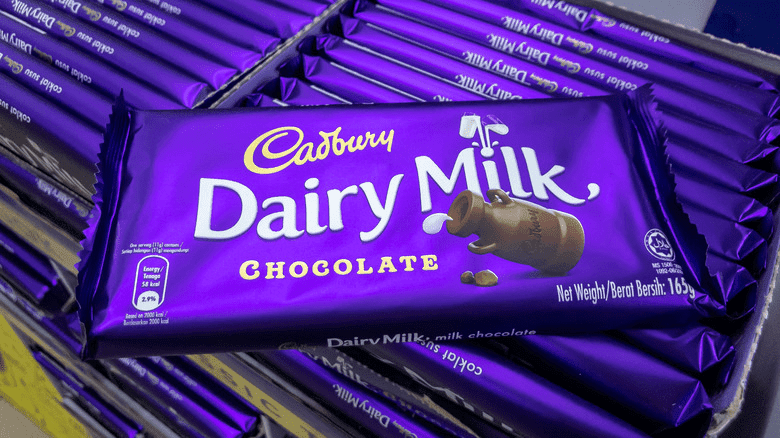
The recipe for the new chocolate was simple: “a glass and a half of milk for every half a pound of product.” The phrase “a glass and a half of milk” remains one of Cadbury’s symbols to this day. Based on this proportion, in addition to “Dairy Milk,” “Fruit & Nut” and “Whole Nut” are produced, which remain among the most popular in the world.
In 1916, the classic dark chocolate “Old Gold” began to be released in gold boxes, becoming an indispensable accessory for outings and cinema trips. In 1919, Cadbury opened its branch in Australia. In 1920, purple was used for the wrapper for the first time, which became the company’s “calling card,” and in 1921, the cursive logo began to appear on it. In 1928, cherries were added to the chocolate, and the bar was named “Cherry Ripe,” which consumers loved.
During the World Wars of the 20th century, Cadbury provided its facilities for military needs and supplied chocolate to soldiers, including the Australian armed forces, to boost their morale.
In the 1950s, the new chocolate bar “Crunchie Bar” became a favorite among teenagers. Huge profits allowed for the opening of new branches. In the 1970s, Cadbury’s popular product became the “Creme Egg” candy with its distinctive yellow cream. In the 1990s, the “Timeout” bar had the highest sales figures. Additionally, chocolate lovers were thrilled with a new box of assorted chocolates, featuring the most popular products.
In 2001, Cadbury released white chocolate and launched a new advertising campaign alongside the “Boost” bar, as a supplementary enhancer for the body’s energy. In 2007, a unique batch of “Dairy Milk” created using a 3D printer was unveiled.
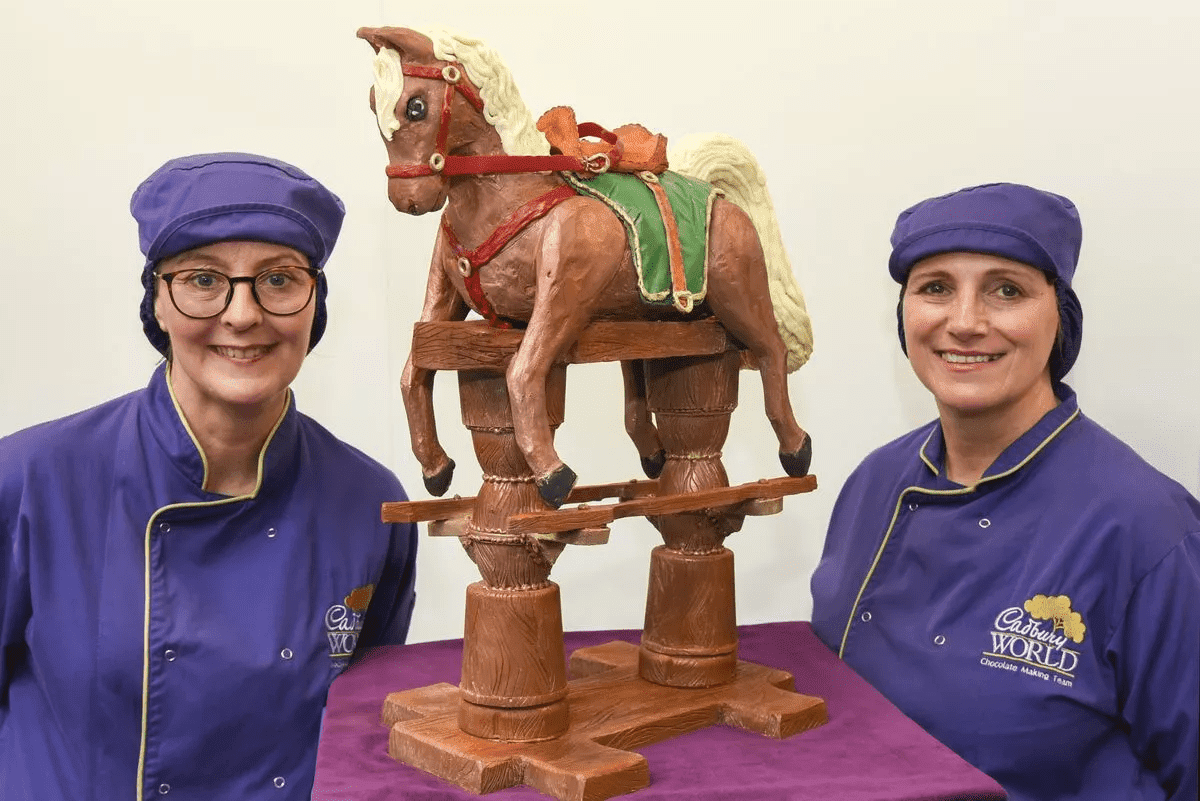
Cadbury continues to maintain ties with the royal family. The company creates special products for newborn heirs to the throne. For example, a chocolate bed was created for Princess Charlotte, a set of toys for Prince George, and a 66-pound chocolate rocking horse was made for Prince Louis.
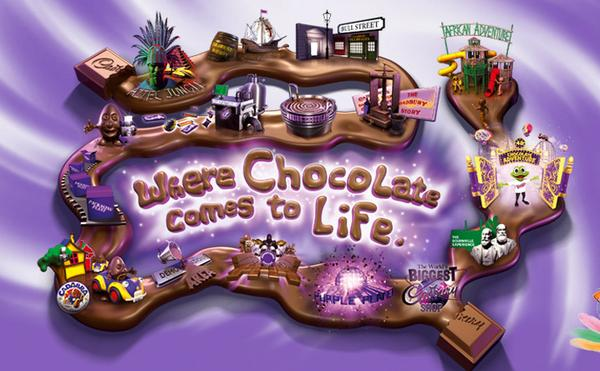
Cadbury remains one of the most successful companies with branches worldwide. In Birmingham, you can visit Cadbury World to learn about the history and process of chocolate making.